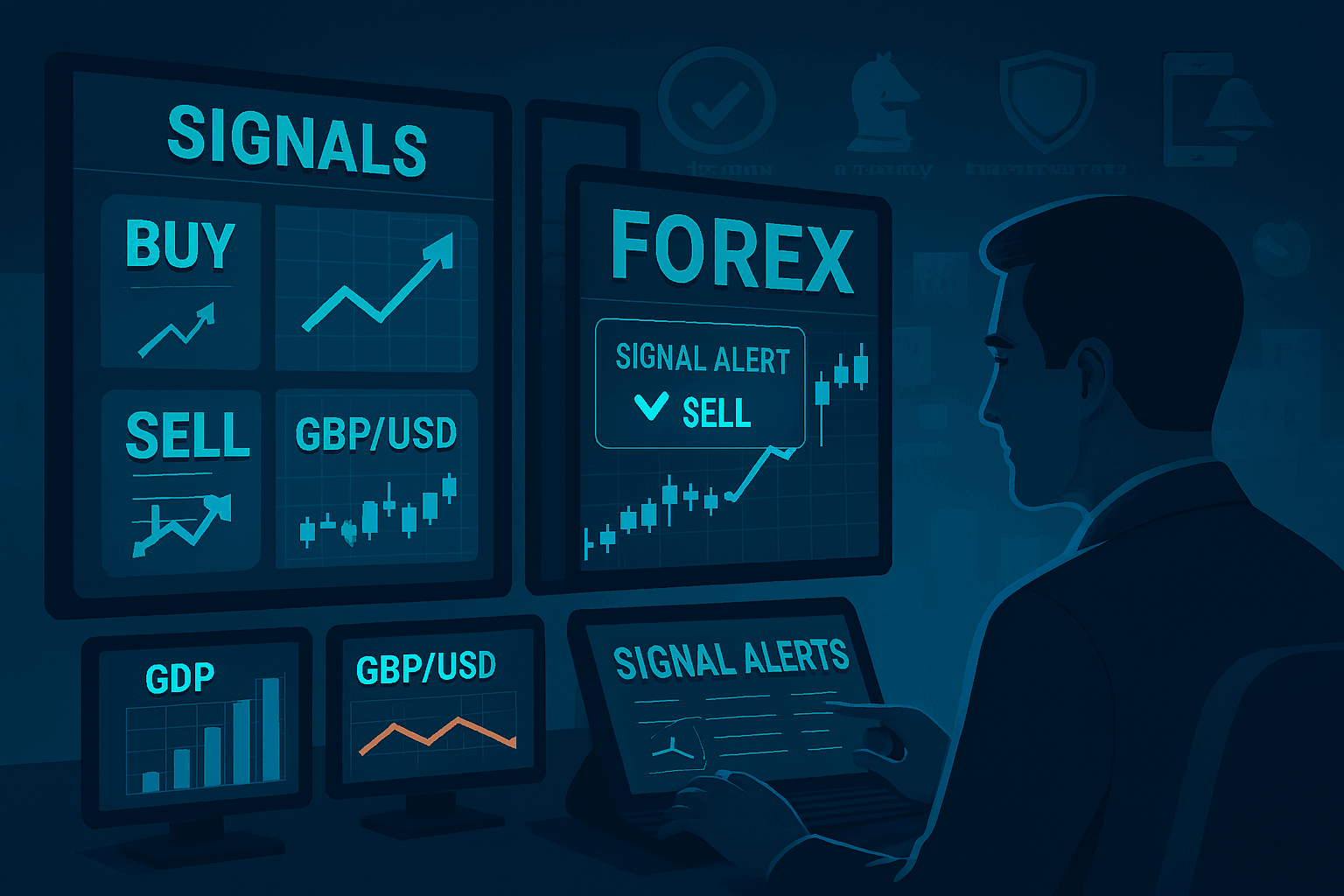
In today’s fast-moving forex market, traders often seek an extra edge to make more informed decisions. One of the most popular tools is forex signals alerts that indicate potential trading opportunities based on market analysis. These signals can save time, guide beginners, and even help experienced traders validate their strategies. However, not all reliable forex signal providers are created equal. Choosing the right source can mean the difference between consistent profits and costly mistakes. Let’s explore the essential factors every trader should consider when evaluating reliable forex signal providers.
1. Transparency of Performance Records
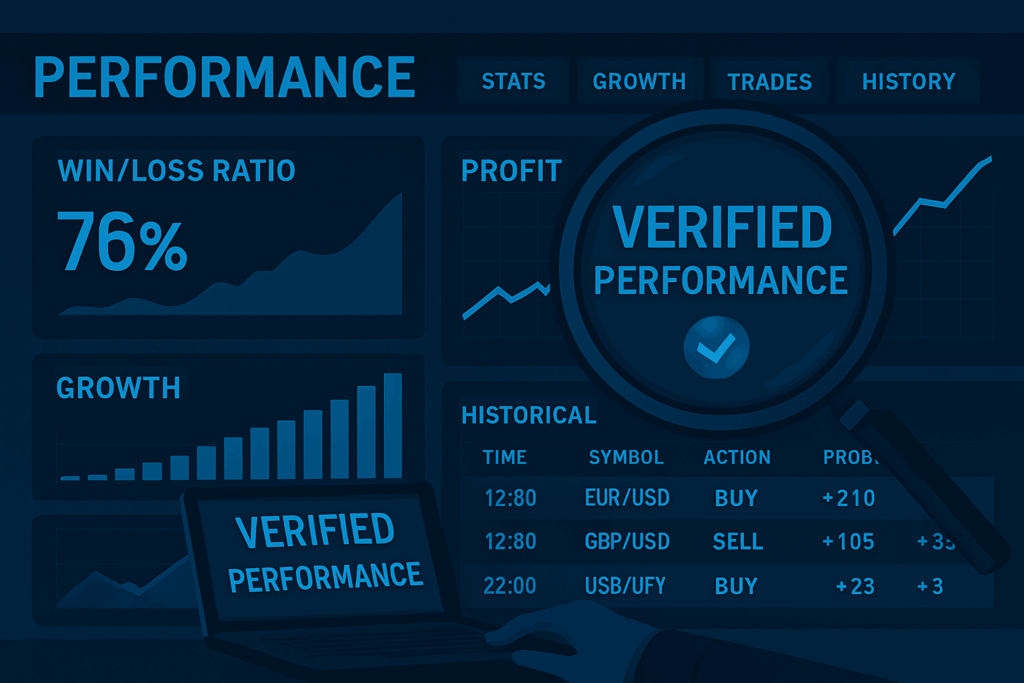
A trustworthy signal provider should have a proven track record that’s both verifiable and transparent. Look for providers who publish their historical performance, preferably through third-party verification platforms such as Myfxbook or FX Blue. Be cautious of providers that only showcase selective winning trades while hiding losses. Consistency and honesty are better indicators of reliability than flashy claims of “100% accuracy,” which are often unrealistic.
2. Trading Strategy Disclosure

Reliable providers usually share details about their approach, whether it’s based on technical indicators, fundamental analysis, price action, or algorithmic trading. While they don’t need to reveal every detail of their system, a basic explanation helps traders understand the logic behind the signals. If a provider is unwilling to explain their strategy or claims it’s a “secret formula,” that’s a red flag.
3. Risk Management Practices
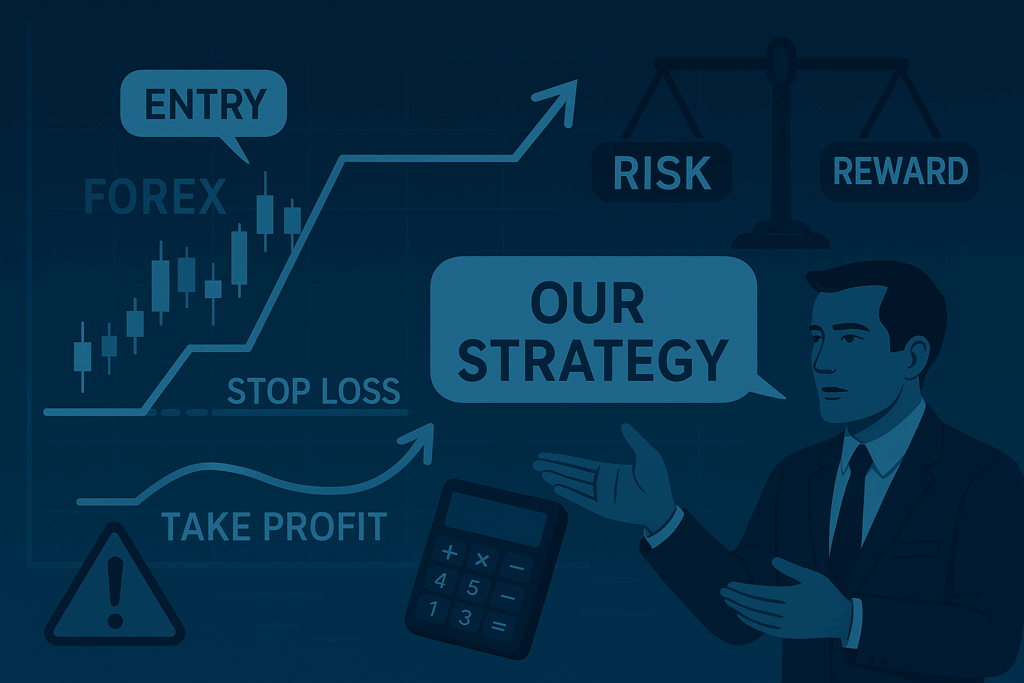
Signals are not just about entries they should also include stop-loss and take-profit levels. This ensures that traders can manage risk effectively and avoid large losses. Providers who emphasize proper risk-reward ratios and encourage position sizing based on account equity show they prioritize long-term sustainability rather than short-term gains.
4. Frequency and Style of Signals
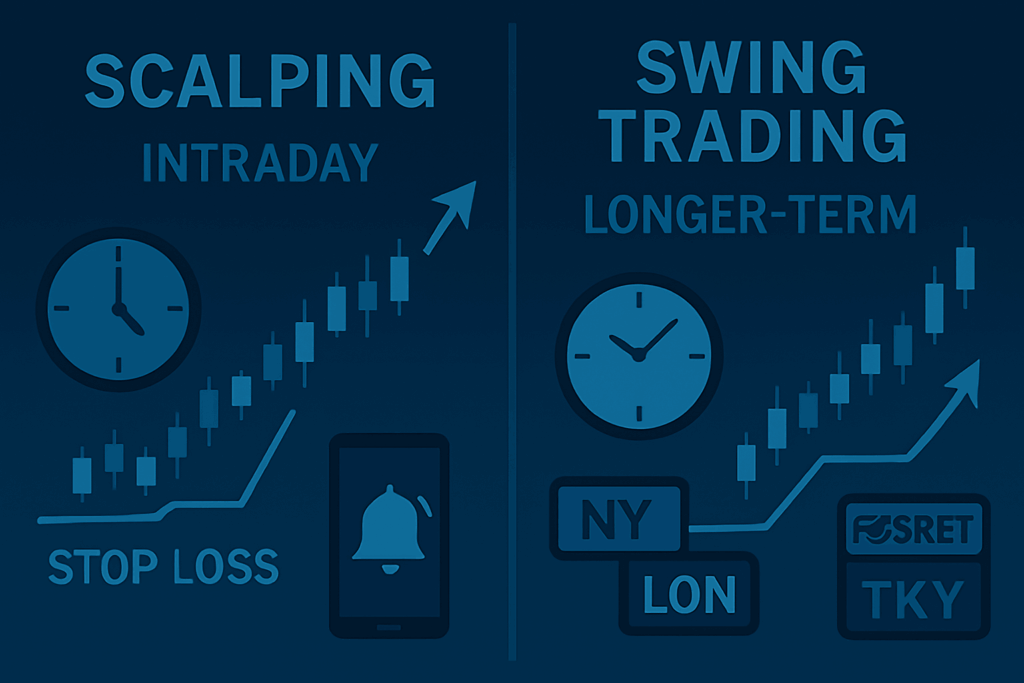
The best provider for you depends on your trading style. Some providers send multiple intraday signals suited for scalpers and day traders, while others focus on longer-term trades that align with swing or position trading. Before subscribing, make sure the provider’s frequency matches your availability and trading goals. Receiving signals you cannot realistically follow due to time zone differences or lifestyle constraints can quickly become frustrating.
5. Communication Channels and Reliability
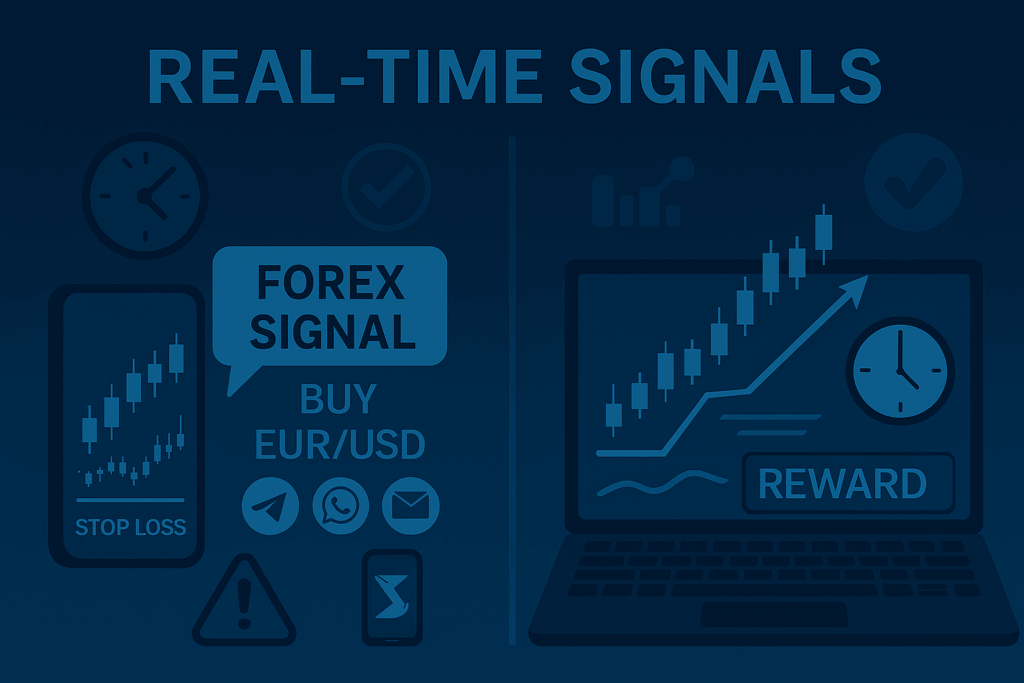
Signal delivery should be fast and reliable. Many providers use Telegram, WhatsApp, email, or proprietary apps to send alerts. Delayed signals can mean missed opportunities, so real-time delivery is crucial. Additionally, reliable providers often supplement signals with explanations, charts, or market context, allowing traders to learn while they trade.
6. Reputation and Community Feedback

Word of mouth and community reviews are invaluable. Explore trading forums, social media groups, and review sites to gauge feedback from other traders. Be cautious of fake testimonials or overly positive reviews that lack detail. Genuine feedback often includes both pros and cons. Engaging with communities can also help you find providers with a solid reputation and a loyal following.
7. Trial Periods and Pricing Structure
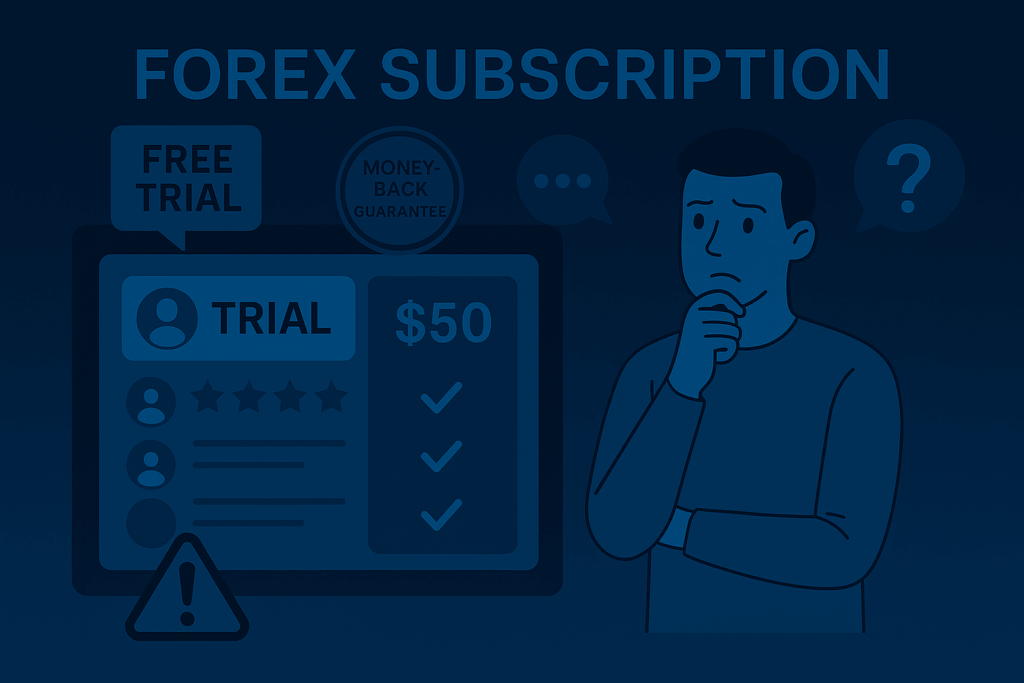
Many reliable providers offer free trials or money-back guarantees. This allows you to test their accuracy, ease of use, and compatibility with your trading style without committing large sums upfront. Be wary of providers that demand high upfront fees without offering any form of trial. Remember: a higher price doesn’t necessarily mean higher quality.
8. Educational Value
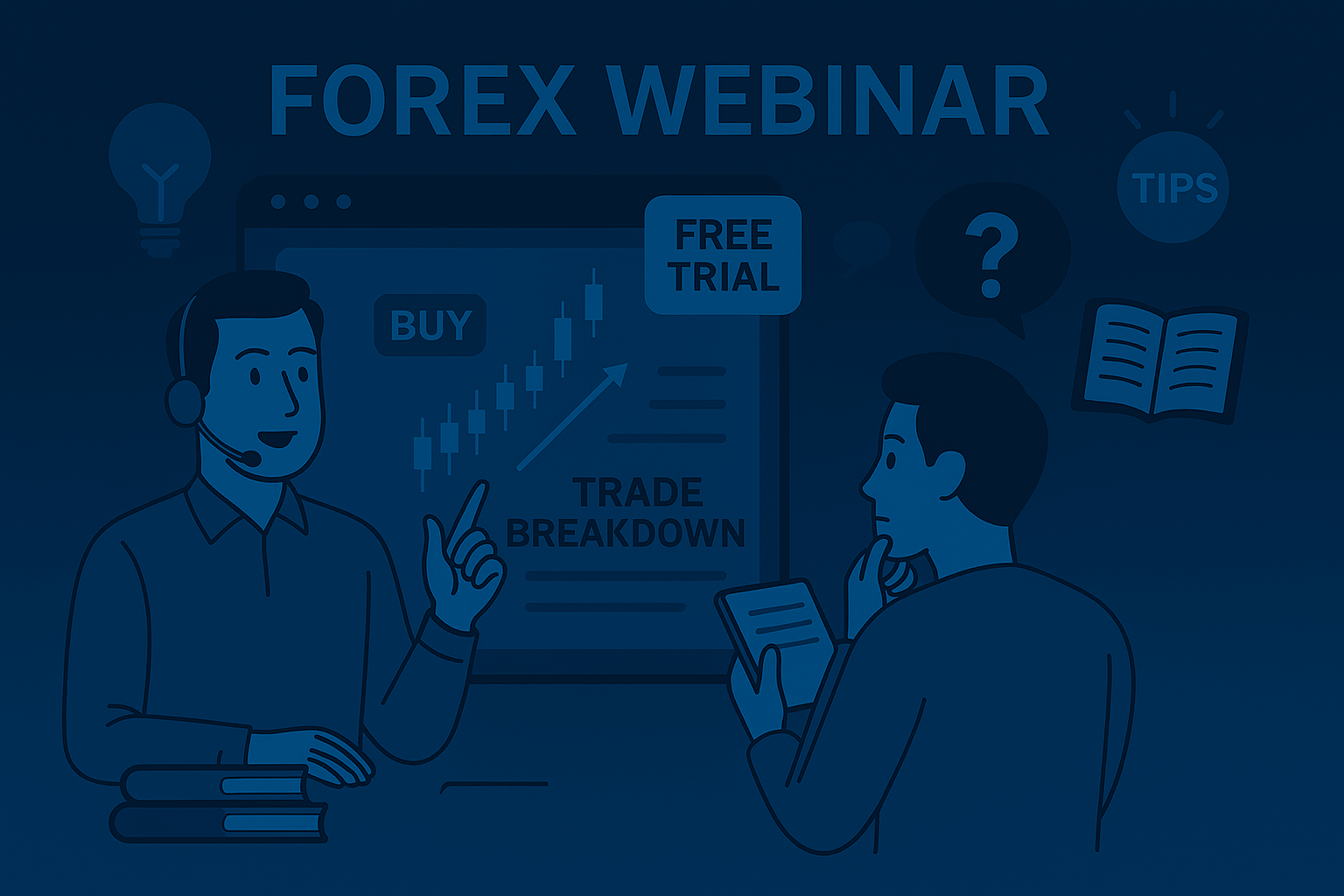
Beyond just giving trade entries and exits, the best signal providers also aim to educate their subscribers. This could include webinars, analysis breakdowns, or trading tips. Such providers empower traders to become independent decision-makers rather than staying fully dependent on signals.
Final Thoughts
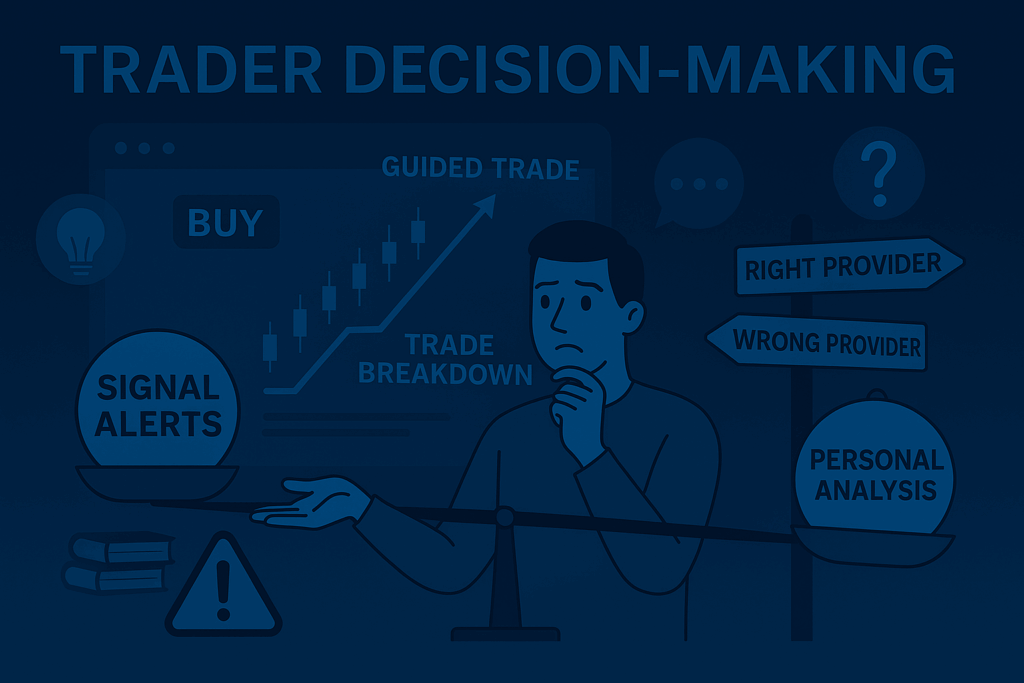
Forex signals can be a powerful tool, but they’re not a magic solution. Success still depends on discipline, proper money management, and continuous learning. The best signal providers are transparent, consistent, and aligned with your trading goals. By carefully evaluating their track record, risk management approach, delivery method, and overall reputation, you can avoid common scams and find a partner that truly enhances your trading journey.
In the end, signals should serve as a guide, not a replacement for your own analysis. Choosing the right provider could significantly improve your results but choosing the wrong one can drain your account quickly. Approach the process with caution, do your due diligence, and you’ll be well-equipped to benefit from reliable forex signals.