
When it comes to forex trading, GBP/USD often called “Cable” is one of the most liquid and actively traded currency pairs in the market. Because it reflects the relationship between the British pound and the U.S. dollar, it is highly sensitive to both UK and U.S. economic data, central bank decisions, and broader global risk sentiment. Building a structured GBP/USD Trade Setup is not about chasing price movements randomly; it requires a systematic approach that combines analysis, risk management, and execution discipline. Let’s walk through a step-by-step guide to constructing a solid GBP/USD Trade Setup.
Step 1: Define the Trading Framework
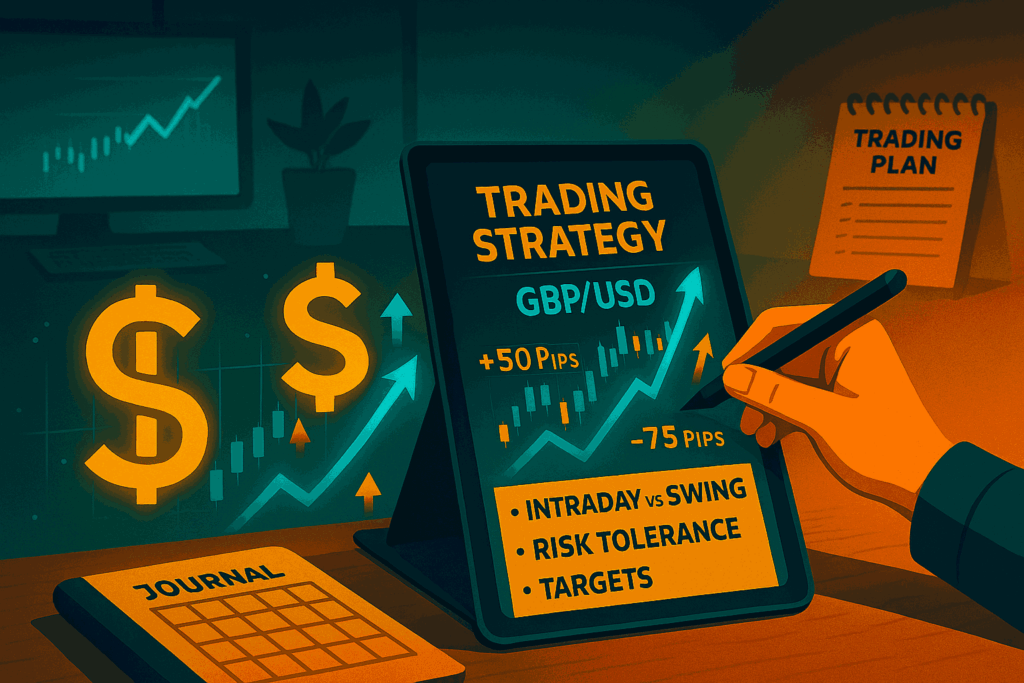
Before jumping into charts or signals, you need to set the context of your trade. Ask yourself:
- Am I trading GBP/USD intraday, swing, or position?
- Do I want to capture a quick 30–50 pips move or ride a multi-day trend?
- What is my maximum risk tolerance for this trade?
This framework ensures that every decision made later technical analysis, entry points, stop-loss, and take-profit aligns with your trading style and risk appetite.
Step 2: Conduct Fundamental Analysis
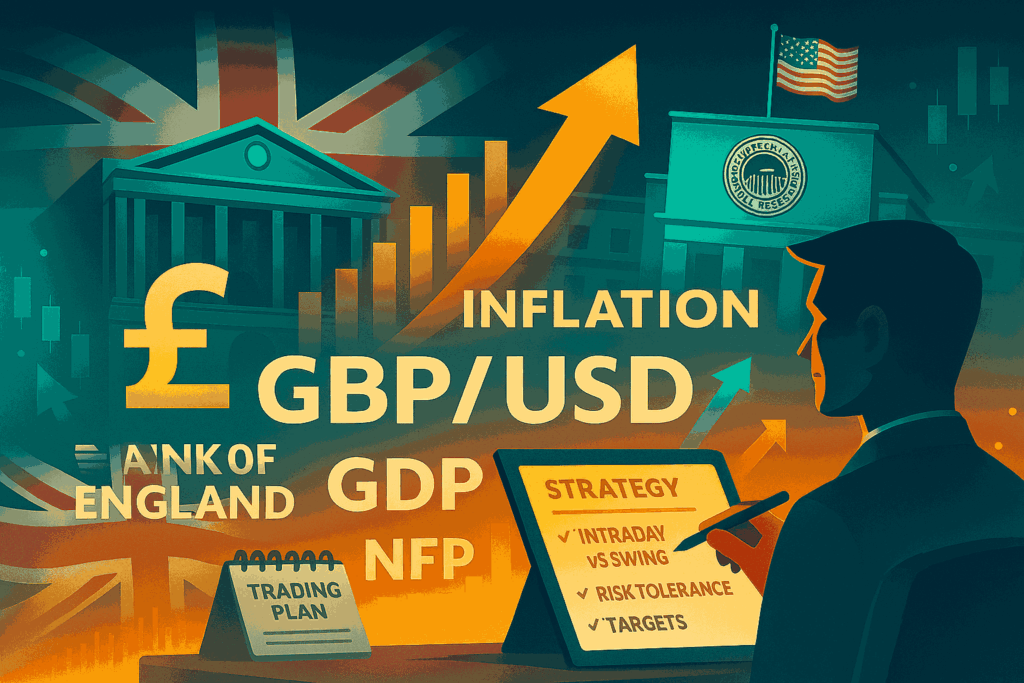
GBP/USD is heavily influenced by fundamentals such as:
- Bank of England (BoE) Policy: Interest rate hikes typically strengthen GBP, while dovish guidance weakens it.
- Federal Reserve Policy: USD strength or weakness often mirrors expectations of Fed interest rates.
- Economic Data: UK GDP, inflation, employment, and U.S. reports like Non-Farm Payrolls or CPI are critical.
- Geopolitical and Trade News: Brexit aftershocks, UK trade deals, and global risk appetite often weigh on GBP/USD.
Start by outlining the key events on the calendar and determining if you want to trade before or after the release.
Step 3: Apply Technical Analysis
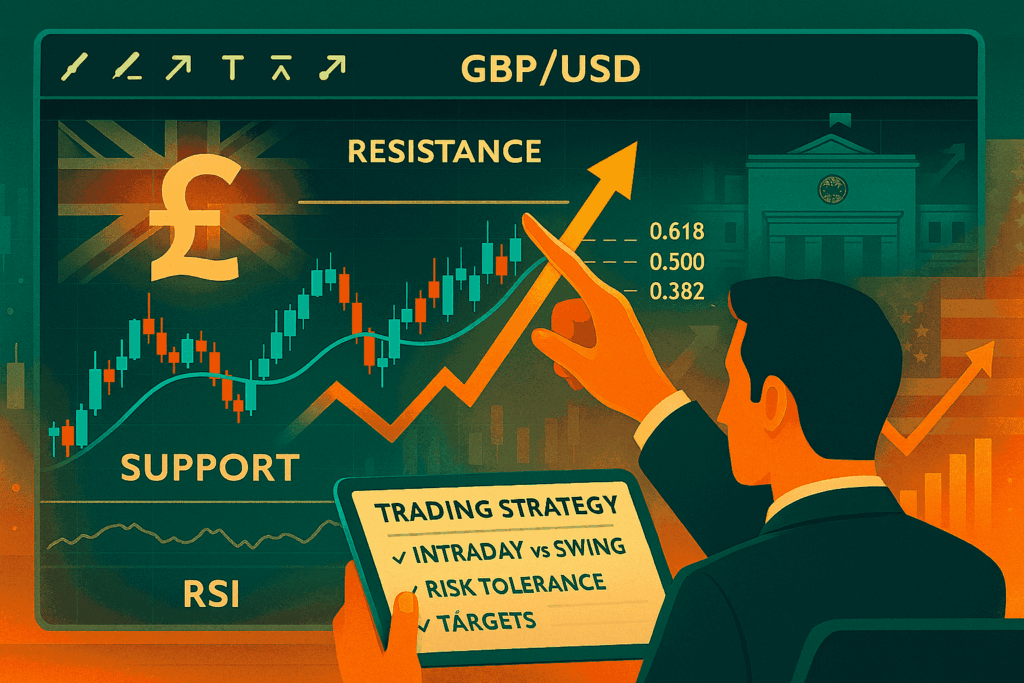
Once the fundamentals are mapped, use technical tools to identify potential trade zones:
- Trend Direction: Check higher timeframes (daily, 4H) to determine if GBP/USD is trending or ranging.
- Key Levels: Mark support, resistance, and round numbers like 1.2500 or 1.3000 where the pair often reacts.
- Indicators: Moving Averages for trend confirmation, RSI or Stochastic for overbought/oversold, and Fibonacci retracement for pullback entries.
- Chart Patterns: Watch for breakouts, head-and-shoulders, or double tops/bottoms that may signal bigger moves.
Step 4: Pinpoint Entry and Exit Levels
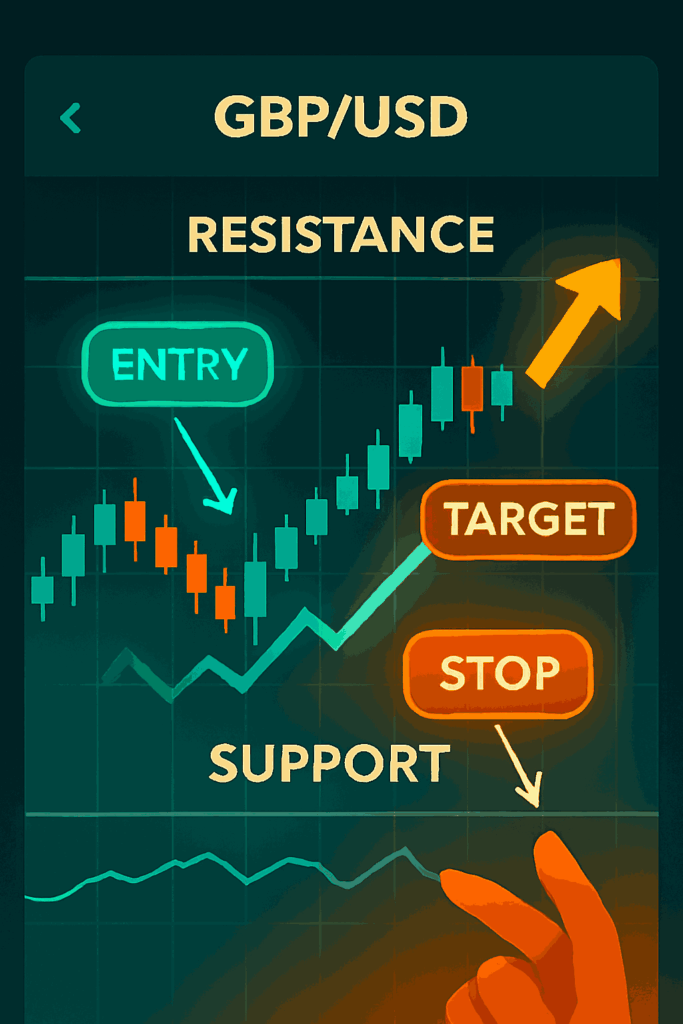
Your technical map should lead to actionable trade levels:
- Entry: For example, buying at 1.2650 support after a bullish rejection candle.
- Stop-Loss: Always place this below a logical level, not just at a random distance (e.g., 20–30 pips below support).
- Take-Profit: Aim for a reward-to-risk ratio of at least 2:1 (if risking 30 pips, target at least 60 pips).
Step 5: Incorporate Risk Management
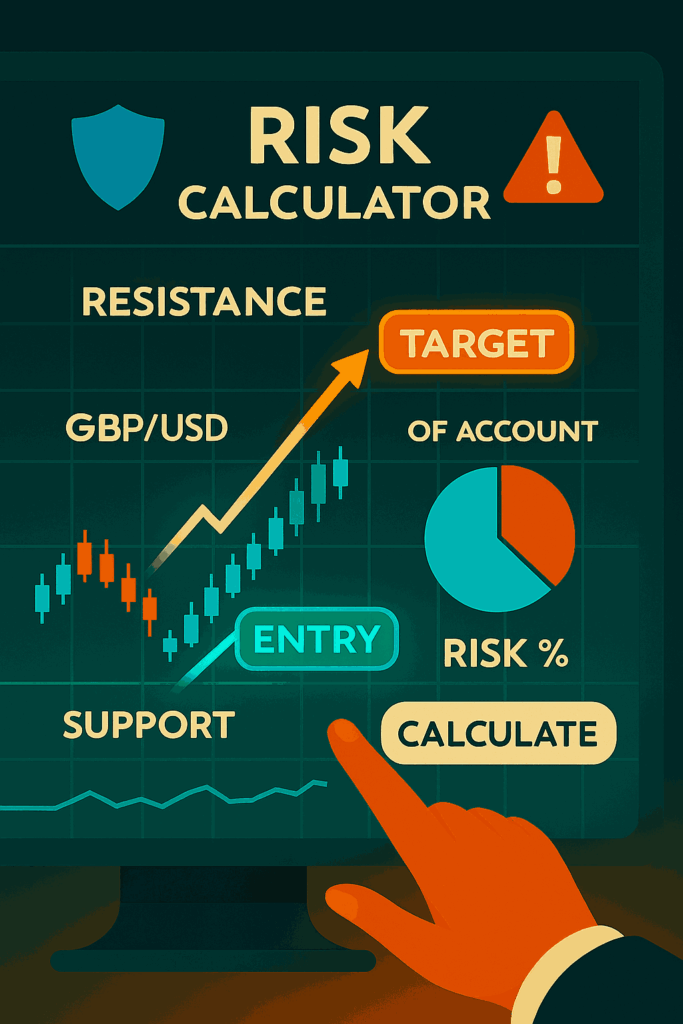
No GBP/USD trade setup is complete without strict risk rules:
- Risk no more than 1–2% of your account per trade.
- Avoid over-leveraging; GBP/USD can move sharply during data releases.
- Use position sizing calculators to determine lot size based on stop-loss distance.
Step 6: Add Signal Confirmation (Optional)
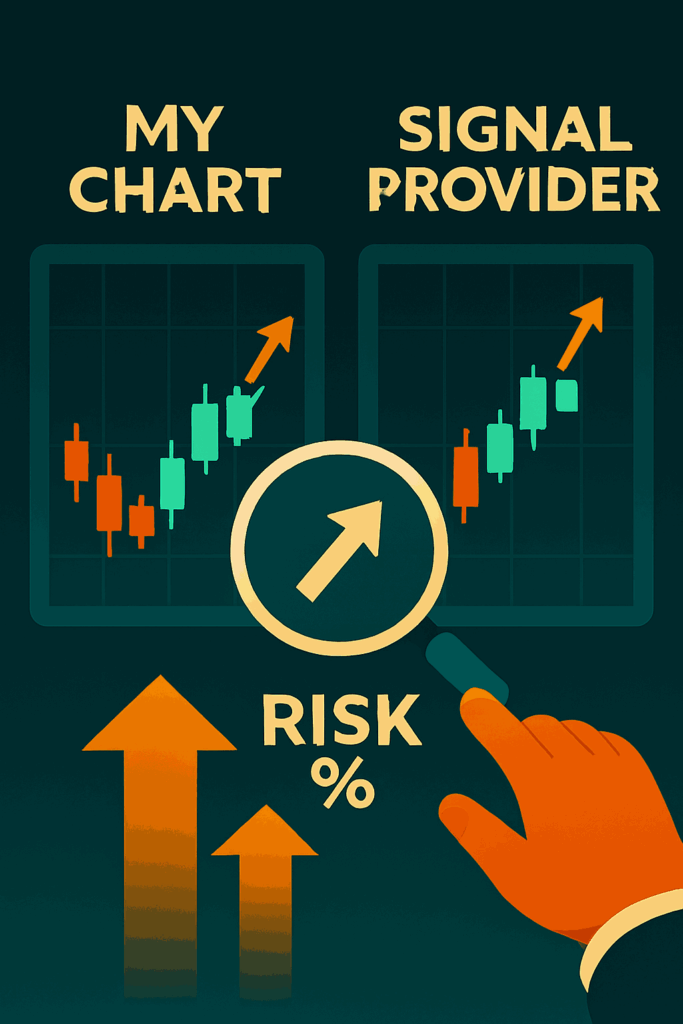
Some traders use forex signals as an extra filter. If you follow a signal provider, compare their call with your own analysis. If both align, the trade has higher conviction.
Step 7: Execute and Monitor
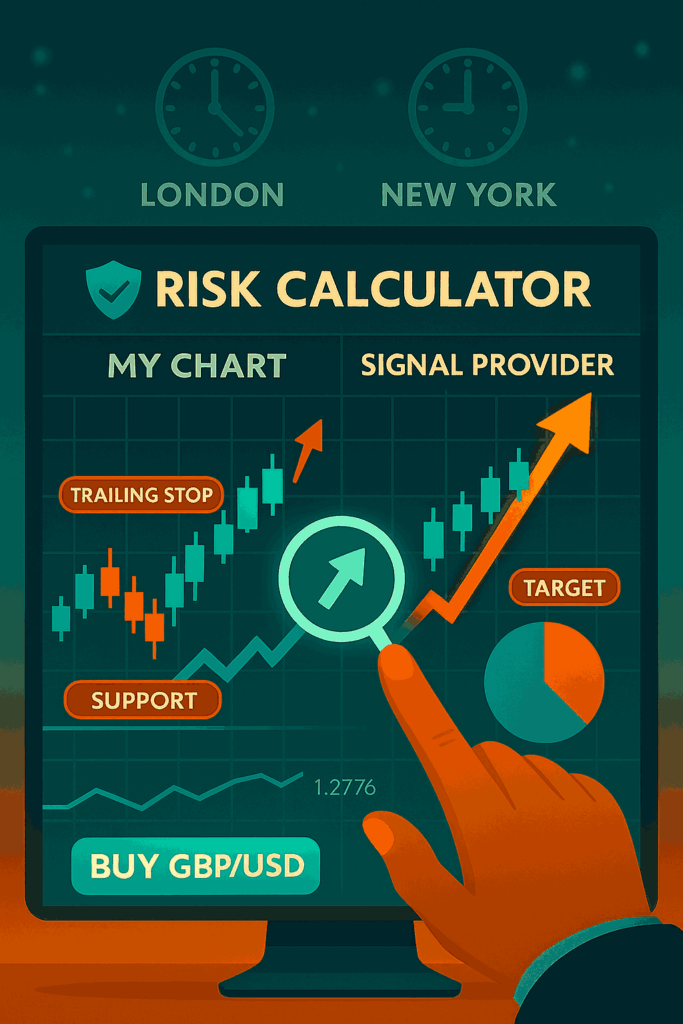
Place your trade confidently but don’t interfere unnecessarily. Trail your stop if the trade moves in your favor. Be aware of upcoming events like Fed speeches or UK data that may cause volatility.
Step 8: Review and Journal
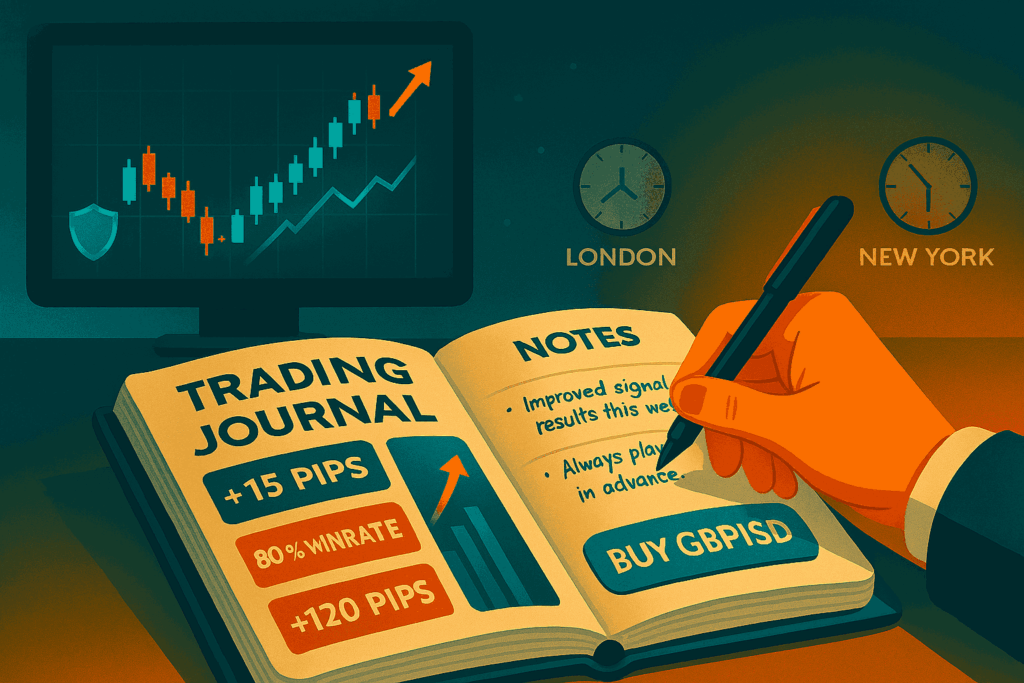
After closing the trade, record the setup in a trading journal: Why did you enter? Did you follow your rules? What can you improve next time? Journaling builds discipline and helps refine your strategy over time.
Final Thoughts

Building a GBP/USD trade setup isn’t about guessing; it’s about combining fundamental context, technical structure, and risk management into a repeatable process. With consistency, traders can avoid emotional decisions and focus on executing high-probability setups. Whether you’re a beginner or seasoned trader, following these steps ensures that every GBP/USD trade is grounded in strategy rather than chance.