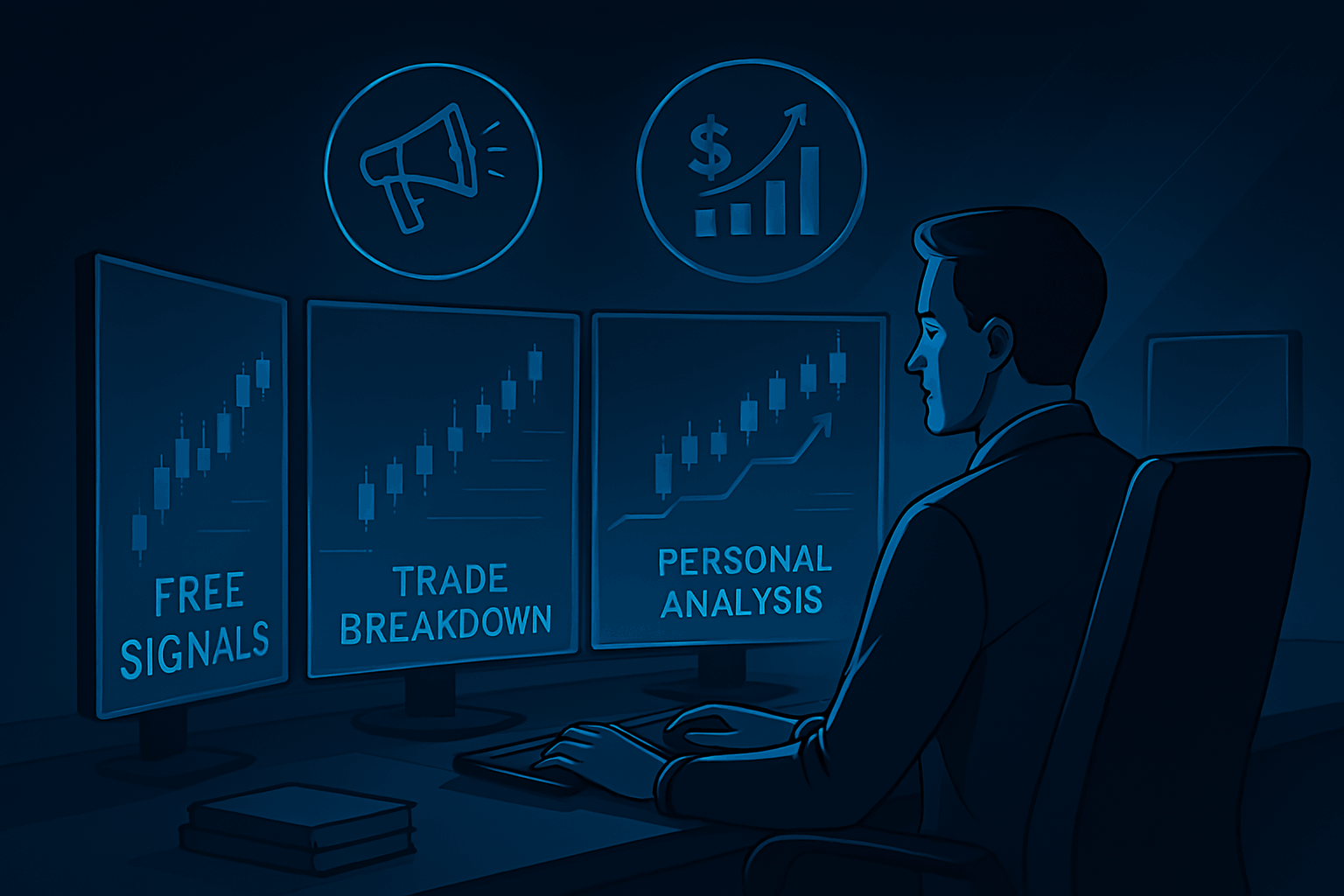
In the fast-paced world of forex trading, paid vs free signals play an increasingly central role in guiding decisions. Whether you are a beginner looking for direction or an experienced trader seeking confirmation, forex signals can save time and improve trade efficiency. Yet, one of the most debated questions among traders is this: Are paid signals truly more accurate than free ones? Understanding this distinction is critical, as the accuracy of your signals often determines the consistency of your trading results.
The Value Proposition of Free Signals
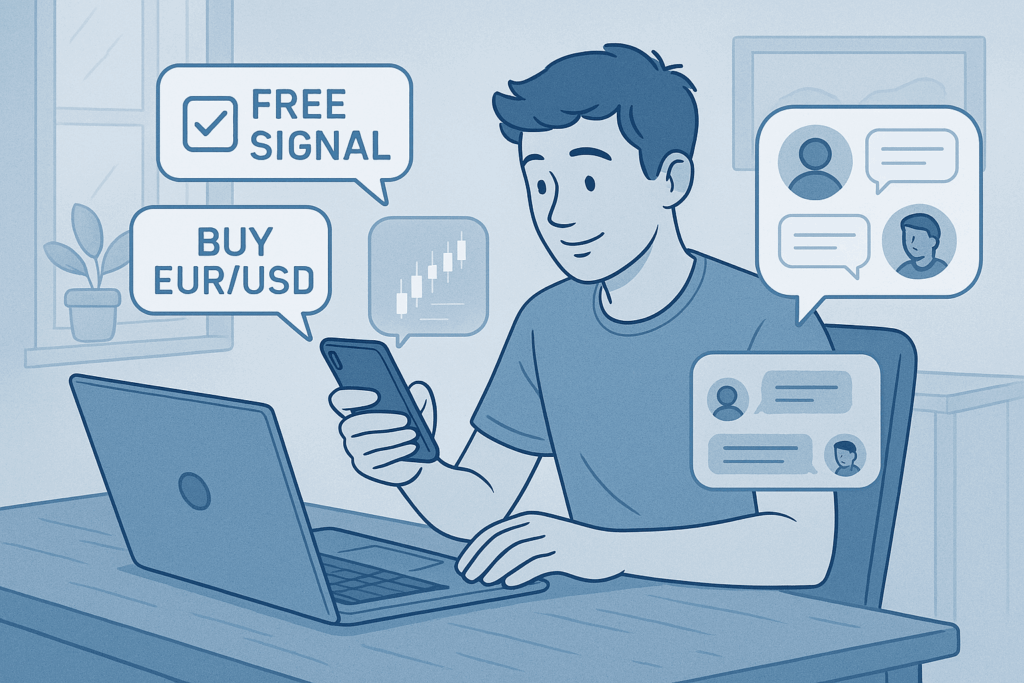
Free forex signals are widely available online, shared across social media groups, forums, mobile apps, and Telegram channels. Their biggest advantage is obvious they don’t cost anything. For newcomers to the market, this provides an opportunity to test strategies, understand market entries/exits, and explore the mechanics of signal-based trading without financial commitment.
However, the main concern with free signals is accuracy and reliability. Since they are often shared as a marketing tool to attract traders to paid services, free signals might not always be backed by thorough technical or fundamental analysis. Many providers distribute generic setups without accountability. As a result, while traders may enjoy occasional success, long-term profitability using free signals alone is rare.
Paid Signals: Do They Justify the Cost?
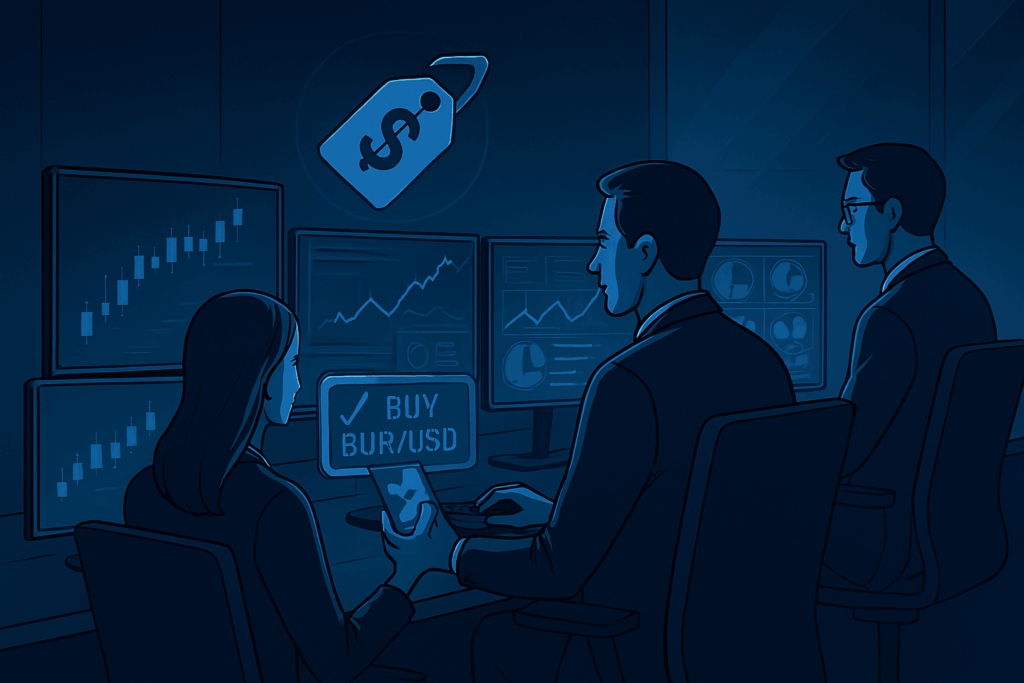
Paid signal services claim to offer higher accuracy, more detailed analysis, and a track record of consistent performance. Typically, these services employ teams of analysts, use advanced algorithms, or rely on a combination of both to generate trade ideas. In many cases, paid providers also offer risk management guidance, stop-loss/take-profit levels, and customer support features that free signals often lack.
The subscription fee charged by paid services is meant to reflect the added value of professionalism and accountability. While no signal service can guarantee profits, traders generally expect paid signals to undergo more rigorous vetting, resulting in improved win rates compared to free alternatives. For active traders, even a modest increase in accuracy can offset the subscription cost over time.
Accuracy: Myth vs Reality
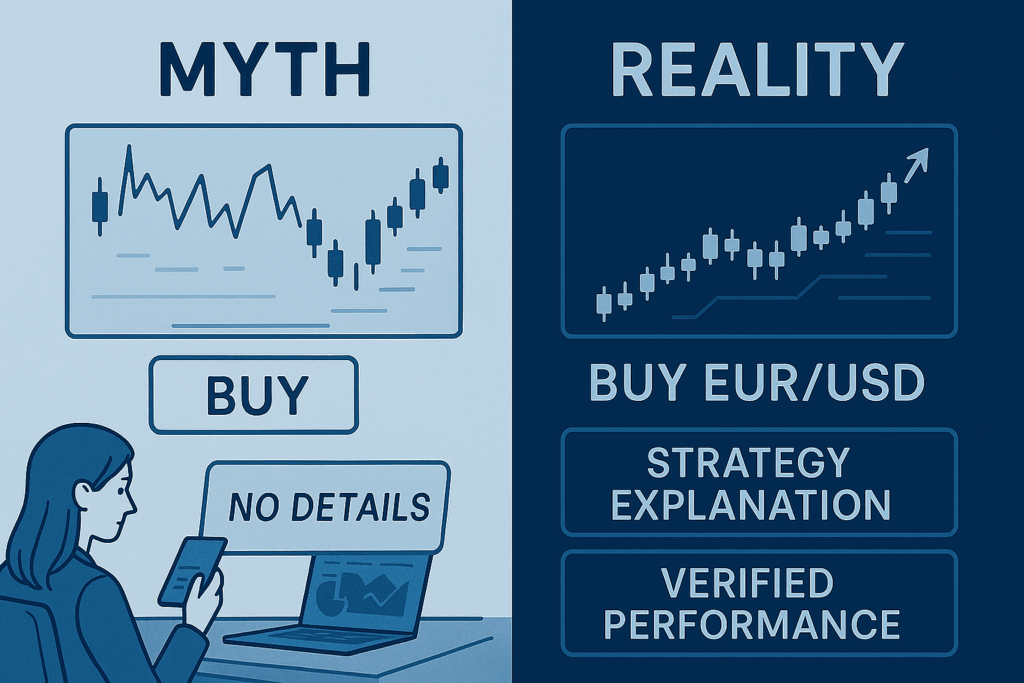
The key issue is not whether signals are paid or free but how they are generated. Some free signals distributed by reputable communities may perform better than poorly managed paid services. Conversely, a premium service with a proven track record and transparent reporting may deliver significant value.
When evaluating accuracy, traders should look for:
- Verified Track Records: Independent performance audits or trading history screenshots.
- Risk-to-Reward Consistency: Not just win rate, but whether profitable trades outweigh losses.
- Transparency in Strategy: Signal providers who explain their methodology often deliver more reliable insights.
Blindly assuming that “paid means better” can lead to disappointment, especially if the provider is more focused on marketing than delivering results.
Balancing Signals With Personal Analysis
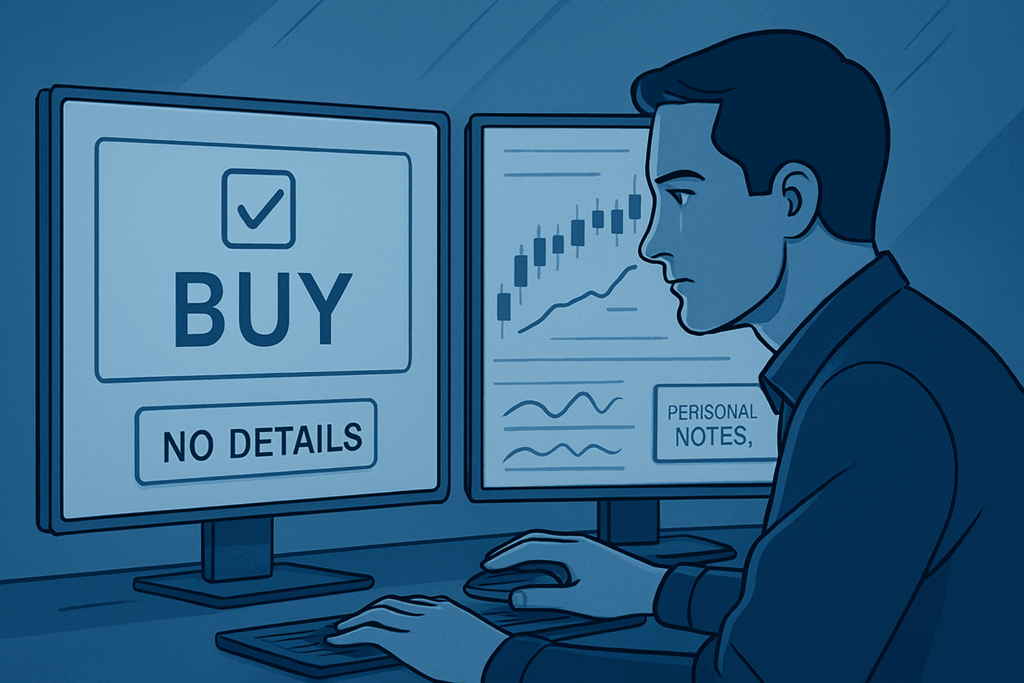
Both free and paid signals should be seen as supplements, not substitutes for a trader’s own analysis. Relying solely on signals without understanding the reasoning behind them increases the risk of losses, especially during unexpected market shifts like central bank announcements or geopolitical shocks.
The best traders use signals to confirm their own outlook rather than blindly following them. This hybrid approach reduces dependence on any single provider while sharpening analytical skills over time.
Finding the Right Fit
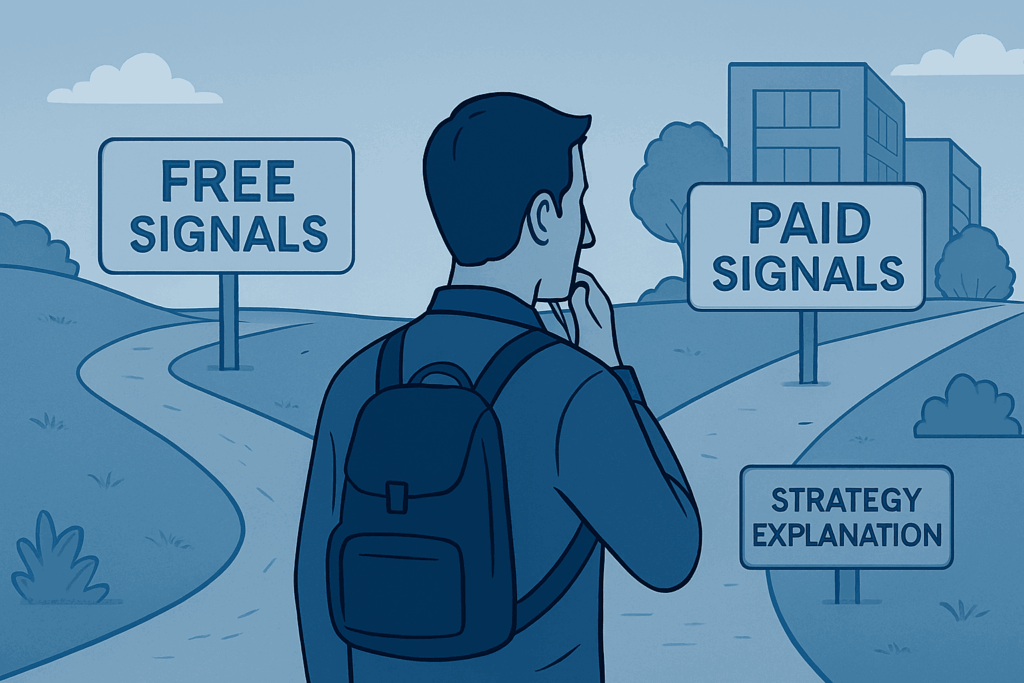
At the end of the day, the choice between paid and free signals comes down to individual trading goals, risk tolerance, and budget. Free signals can work as a testing ground, but traders looking for consistent accuracy and professional guidance may benefit more from a paid service with a verifiable record.
The most successful traders often treat signals as one part of a broader toolkit alongside risk management, personal analysis, and disciplined execution. Whether free or paid, signals should serve to enhance decision-making, not replace it entirely.
✅ Key Takeaway: Free signals may be useful for beginners testing the waters, but for traders seeking consistency and higher accuracy, reputable paid providers often deliver more value. However, due diligence, verification, and combining signals with your own market knowledge remain essential to long-term success.