In the fast-moving world of forex trading, understanding key macroeconomic indicators is essential. These data releases give traders insight into the health of an economy and provide clues about future currency movements. While technical analysis is important, key macroeconomic indicators often act as the backbone of long-term trends in the forex market. For GBP traders and beyond, keeping an eye on the right indicators can make the difference between spotting an opportunity early and being caught off guard by volatility.
1. GDP Growth (Gross Domestic Product)
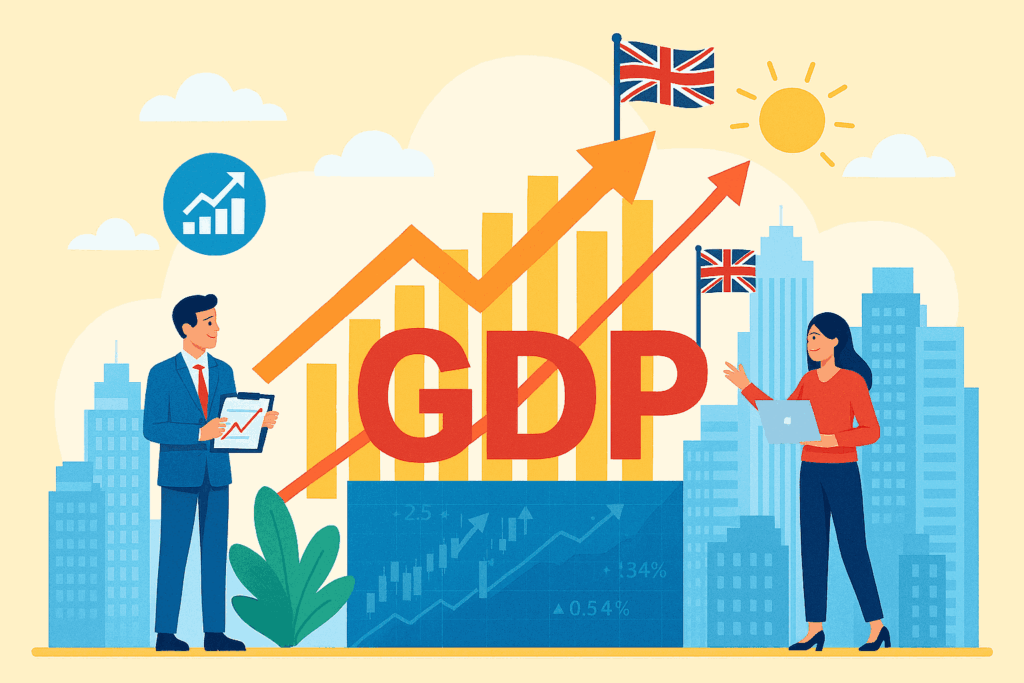
GDP is one of the most important indicators because it reflects the overall economic health of a country. Strong GDP growth signals a robust economy, usually leading to a stronger currency, while weaker growth can weigh on demand. For example, if the UK posts higher-than-expected GDP numbers, it often supports the British pound as investors anticipate better business conditions and potential rate hikes from the Bank of England (BoE).
2. Inflation Data (CPI & PPI)
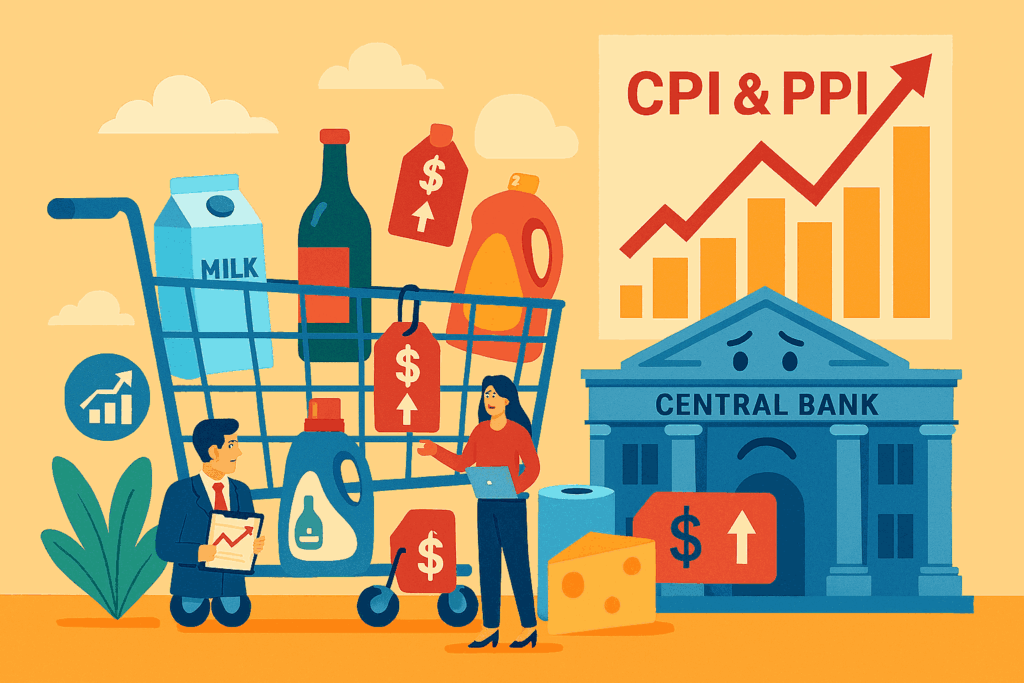
Inflation directly influences monetary policy. Central banks aim to keep inflation under control, typically around 2%. The Consumer Price Index (CPI) shows how prices are changing for households, while the Producer Price Index (PPI) reflects costs for businesses. If inflation is rising quickly, traders expect central banks to raise interest rates, which often boosts the currency. Conversely, low inflation can signal economic weakness, reducing rate hike expectations.
3. Interest Rate Decisions
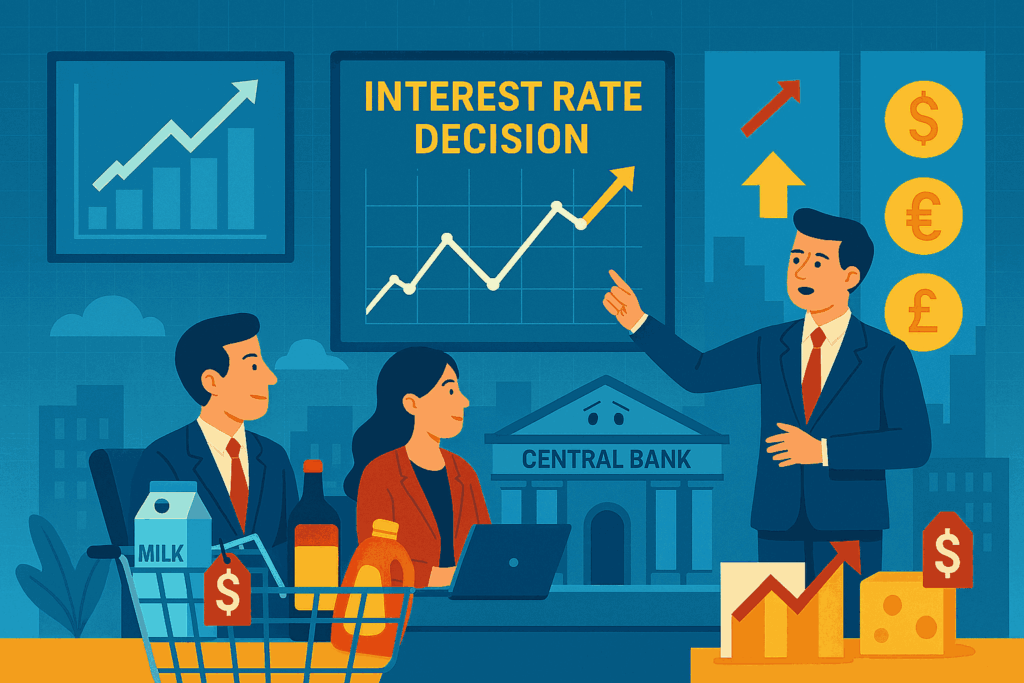
Although technically not an indicator, central bank interest rate announcements are pivotal. The Bank of England, Federal Reserve, and European Central Bank decisions are heavily influenced by other economic data. Traders closely monitor not only the decision itself but also the forward guidance. A rate hike strengthens a currency, while a cut usually weakens it.
4. Employment Reports (Unemployment Rate & Non-Farm Payrolls)

Labor market strength reflects economic resilience. A low unemployment rate and strong job creation boost consumer confidence and spending, supporting economic growth. In the US, the Non-Farm Payroll (NFP) report is a high-impact release watched globally, often causing sharp movements in USD pairs. For the UK, the monthly jobs report is equally significant for GBP.
5. Trade Balance
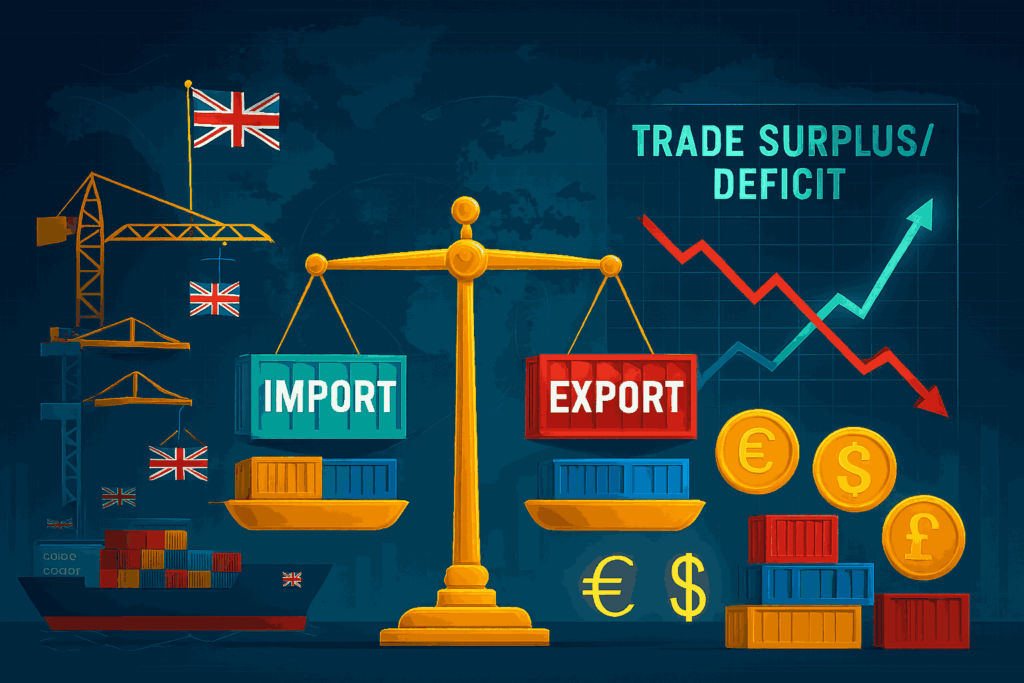
The trade balance measures the difference between a country’s exports and imports. A surplus (more exports) tends to strengthen a currency as it shows demand for domestic goods, while a deficit (more imports) can weaken it. For the UK, trade data is especially important because of its reliance on global trade relationships, especially post-Brexit.
6. Retail Sales & Consumer Confidence

Retail sales provide a snapshot of consumer spending, which drives much of economic activity. Rising sales indicate stronger demand and potential growth, while falling sales suggest weakness. Alongside this, consumer confidence surveys show how optimistic or pessimistic households feel about the future an early clue to spending trends.
7. Business Surveys (PMI – Purchasing Managers’ Index)

PMI surveys, covering manufacturing and services, are leading indicators of economic activity. A reading above 50 signals expansion, while below 50 signals contraction. Traders use PMI as an early warning system before official GDP or industrial production figures are released.
8. Government Debt & Fiscal Policy
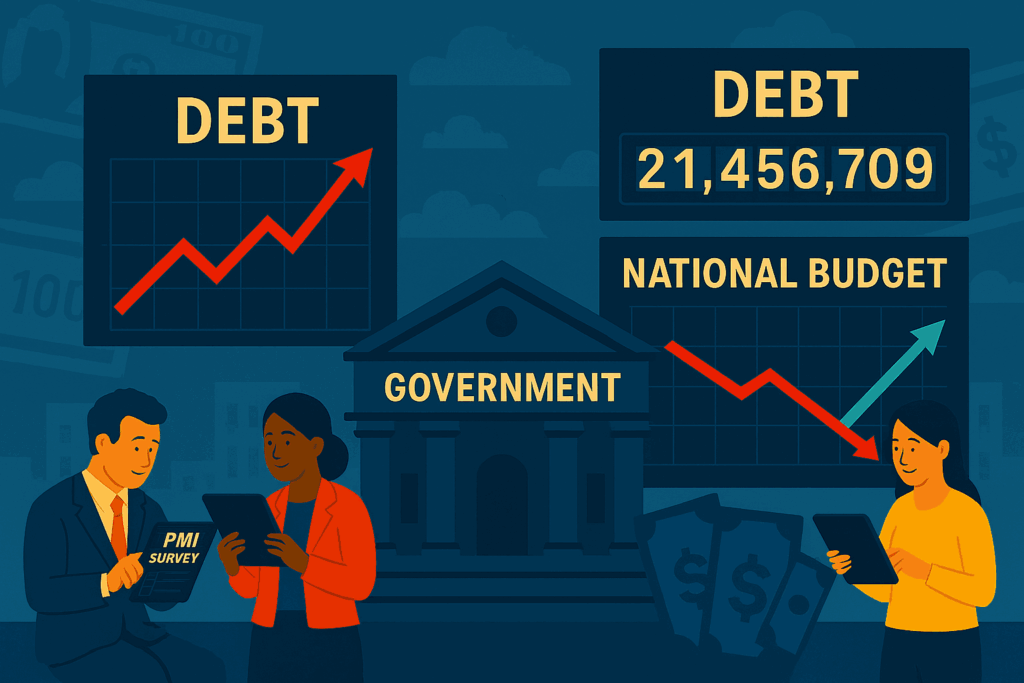
While not a monthly release, fiscal health matters. High government debt can pressure a currency if investors fear instability or inflation. Conversely, responsible fiscal management boosts confidence in the currency’s long-term value.
Why Traders Must Pay Attention
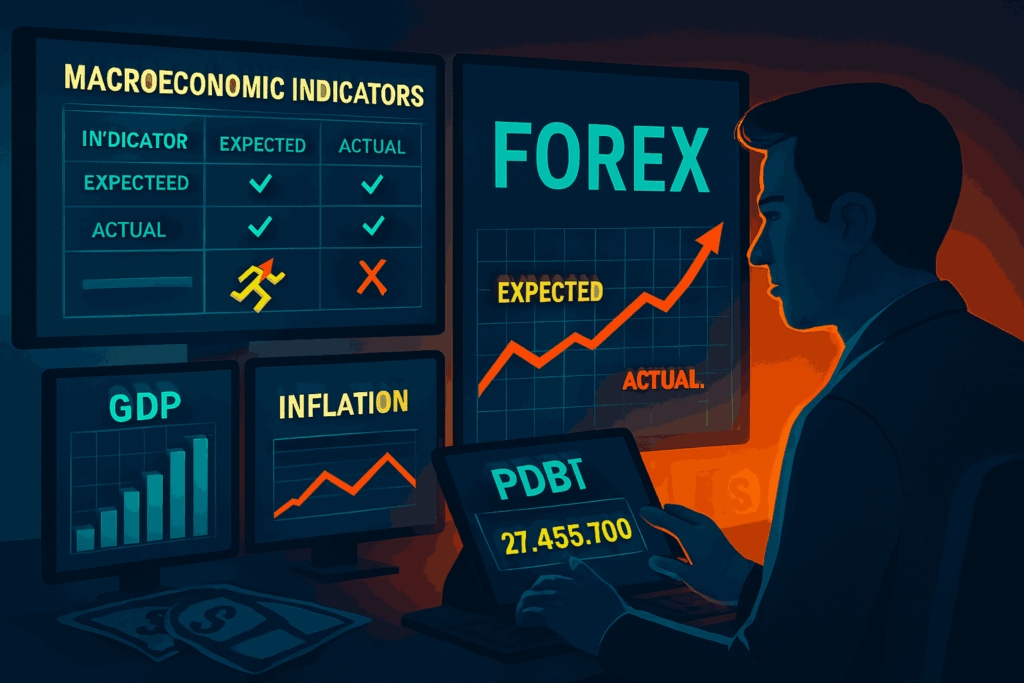
Each of these indicators doesn’t move currencies in isolation. Rather, they interact, shaping central bank policy, market sentiment, and investor confidence. Successful traders don’t just watch the numbers; they compare actual data with expectations. Surprises whether better or worse are what move the markets.
By following macroeconomic indicators, traders can better anticipate currency trends, manage risks, and position themselves ahead of big moves. Whether trading GBP/USD, EUR/GBP, or emerging market pairs, staying inform2ed on these key releases gives traders the edge they need in the competitive forex arena.