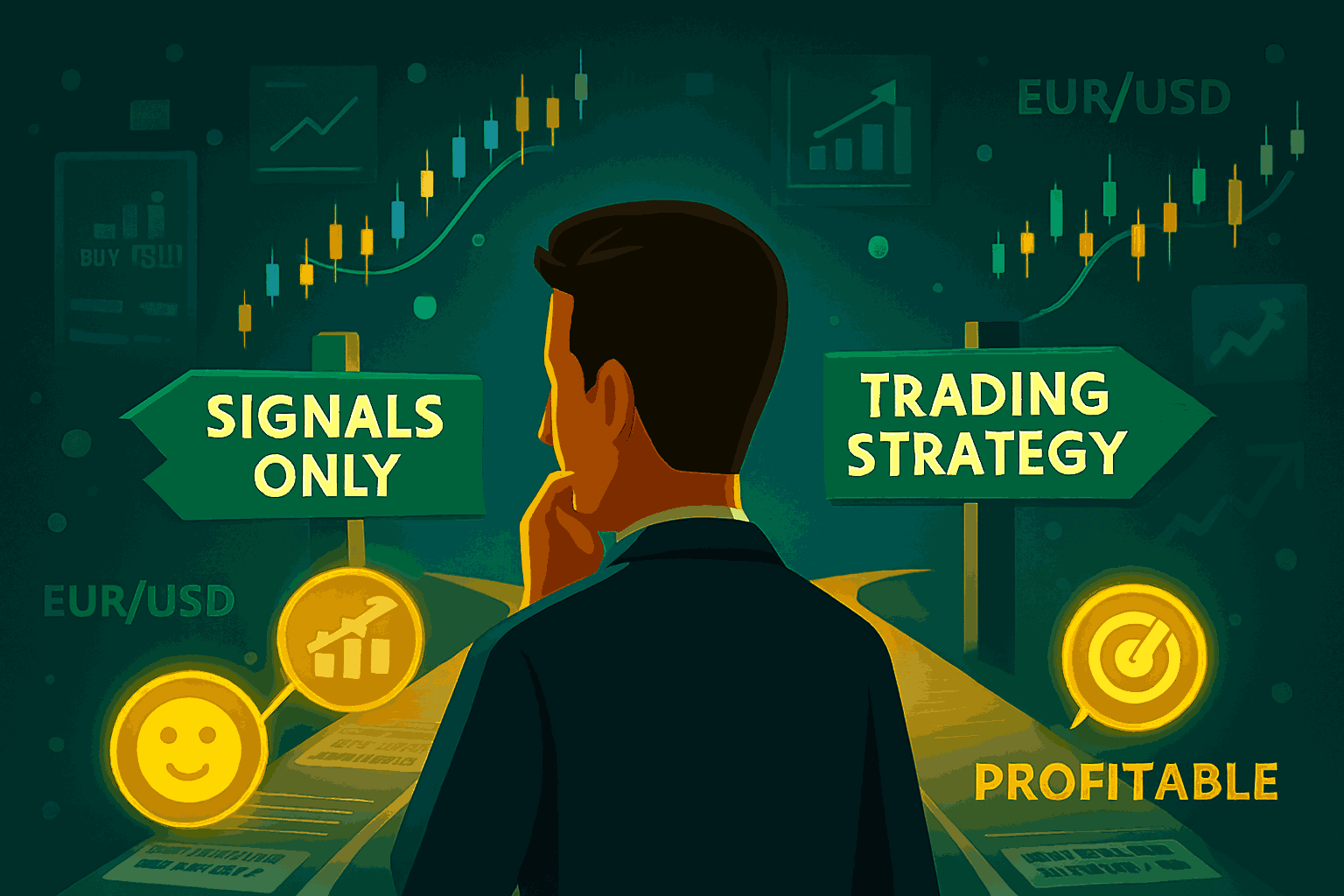
Can forex signals replace a trading strategy? In the modern forex trading landscape, signals have become an increasingly popular tool for both beginners and seasoned traders. A forex signal provides a recommendation, often including entry price, stop-loss, and take-profit levels based on technical or fundamental analysis. With the rise of apps, online platforms, and professional providers, signals are easily accessible and can save traders time and effort.
But one question often arises: can forex signals replace a trading strategy altogether? While signals can be highly valuable, relying on them exclusively without a proper trading plan carries significant risks. Understanding where signals fit into the bigger picture is essential for building long-term success in the forex markets.
The Appeal of Forex Signals
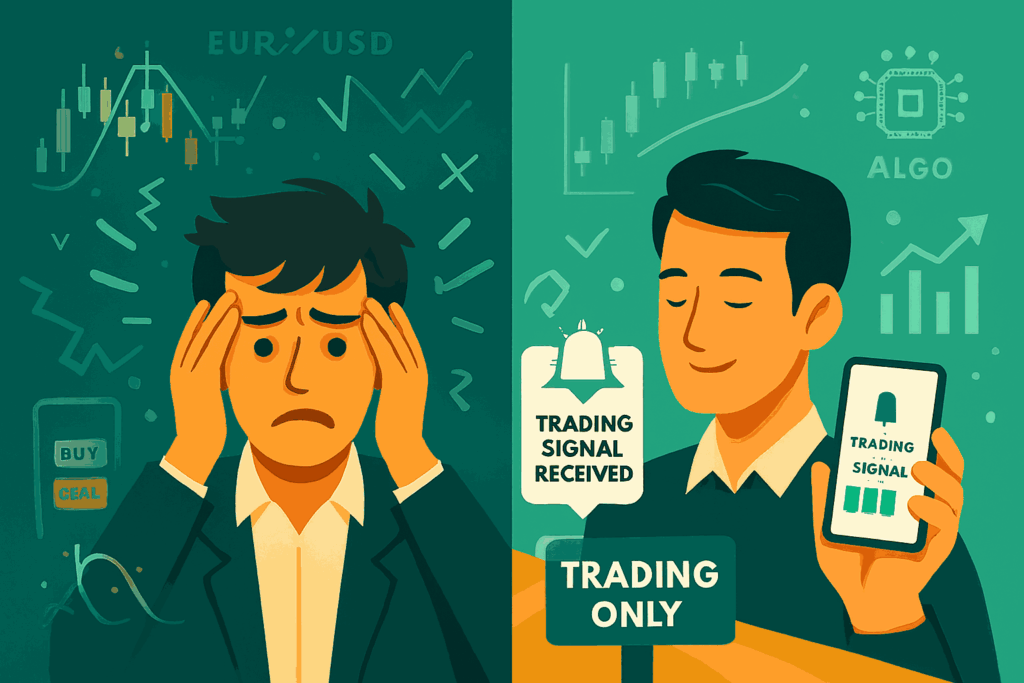
Signals are attractive because they reduce the burden of complex analysis. A beginner may feel overwhelmed by candlestick patterns, moving averages, and economic data releases. By following signals, they can act immediately without needing to interpret charts or news themselves.
For experienced traders, signals can serve as a second opinion, confirming existing ideas or highlighting opportunities they might have missed. Professional providers often use advanced algorithms or seasoned analysts to deliver recommendations, giving traders access to expertise they might lack.
The time-saving aspect is also important. Traders who cannot dedicate hours daily to analysis can still participate in the market by following signals. This convenience explains why many traders are tempted to use signals as a complete substitute for a trading strategy.
Why Signals Alone Are Not Enough
Despite their benefits, signals should not replace a strategy. Here’s why:
- Lack of Context
Signals provide specific trade recommendations but rarely explain the broader market environment. A strategy helps traders understand why a position is taken, not just what to trade. Without context, traders may struggle to adapt when conditions change. - Dependency Issues
Traders who rely solely on signals risk becoming dependent on external sources. If the provider stops sharing signals or experiences a decline in accuracy, the trader is left without the skills to make independent decisions. - Risk Management Oversight
Signals usually include stop-loss and take-profit levels, but risk tolerance varies from trader to trader. A personal strategy allows for position sizing, capital allocation, and risk rules tailored to individual circumstances. Blindly following signals can expose a trader to losses beyond their comfort zone. - Market Adaptability
Market conditions shift frequently. What works in a trending environment may fail in a ranging one. A strategy equips traders with flexibility, while signals may not adjust quickly enough to changing dynamics.
Signals as a Complement to a Strategy
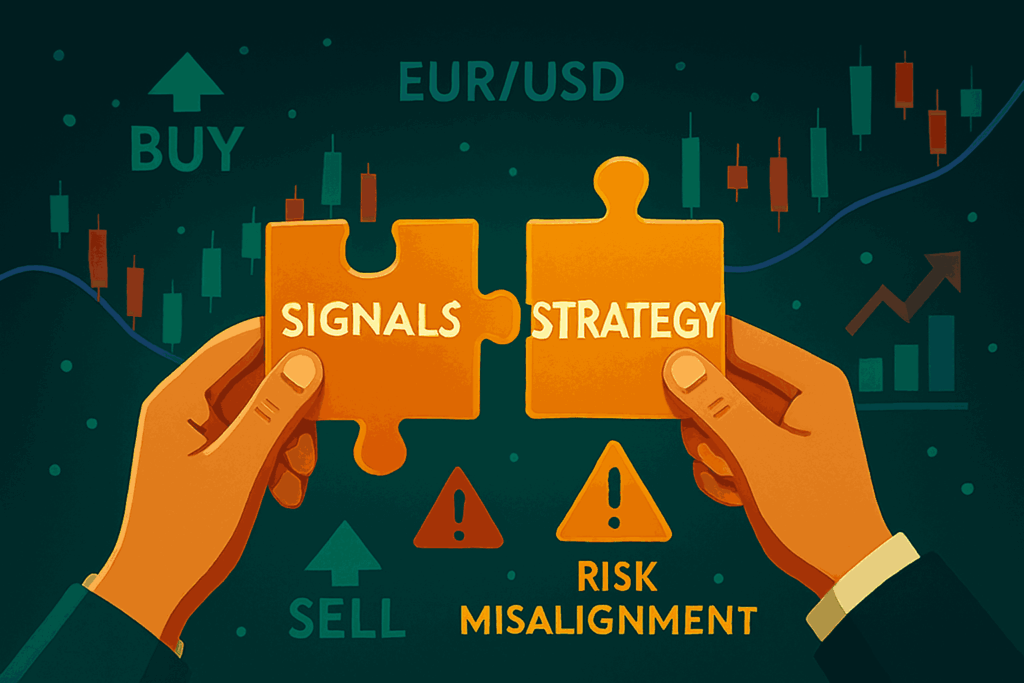
Instead of treating signals as a substitute, traders should integrate them into their broader framework. A solid strategy built on clear rules for entry, exit, risk management, and market evaluation forms the foundation. Signals can then serve as an additional tool.
For example, a trader using a breakout strategy may receive a signal that aligns with their setup, reinforcing confidence. Conversely, if a signal contradicts their analysis, it can prompt them to double-check their reasoning before committing capital.
Signals are most powerful when they complement, rather than replace, a trader’s personal edge.
Developing Independence in Trading
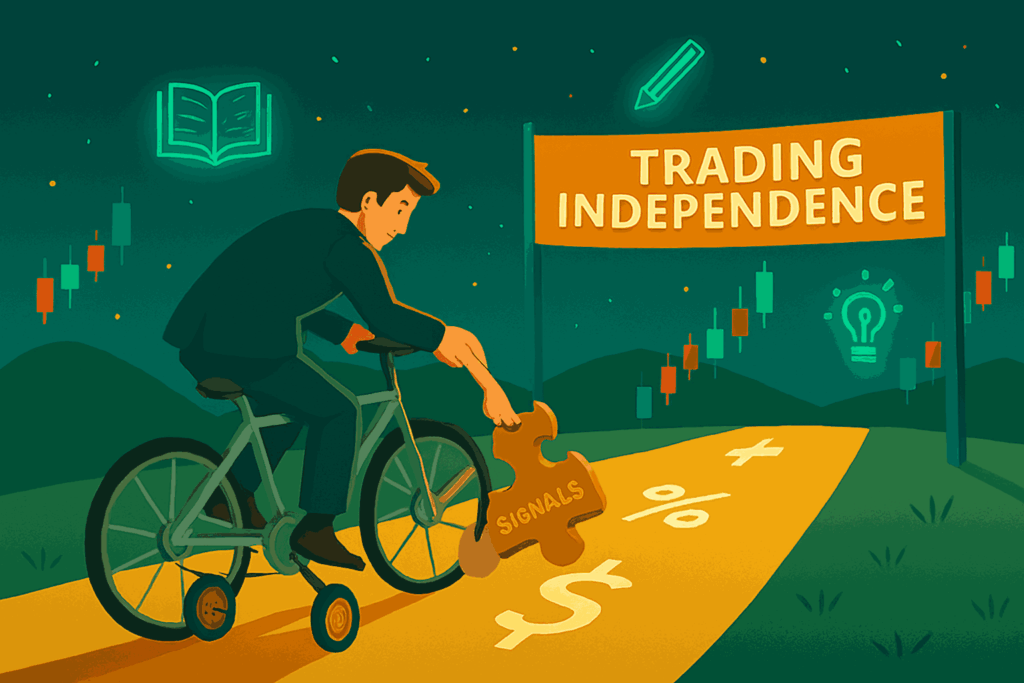
The ultimate goal of any trader should be independence. Learning how to analyze charts, read economic indicators, and manage risk builds resilience. Signals can accelerate learning by showing how experts approach the market, but they should never be the sole decision-making factor.
Traders who blend signals with their own analysis are more likely to adapt, survive downturns, and sustain profitability. Think of signals as training wheels: helpful for balance in the early stages, but not meant to carry you forever.
Final Thoughts
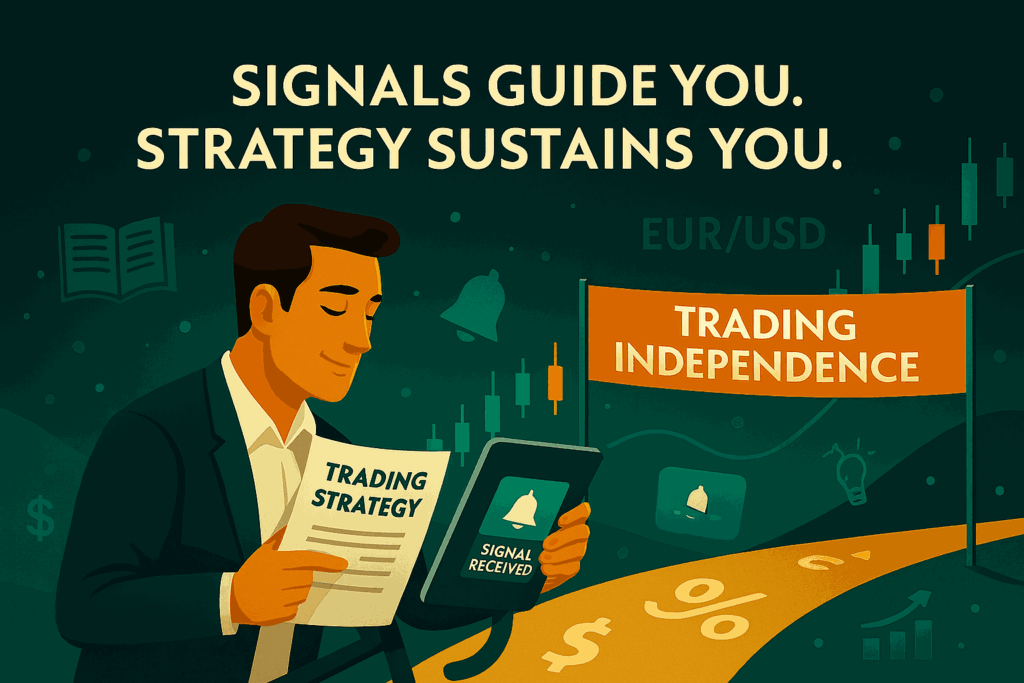
Forex signals are a valuable resource, offering actionable insights and saving time for traders at all levels. However, they should not be seen as a replacement for a well-defined trading strategy. Signals can point to opportunities, but only a strategy can provide structure, consistency, and long-term sustainability.
The best approach is balance: use signals as a tool to support decision-making while continuing to refine your own strategy. In the long run, independence and skill development will always outweigh reliance on external recommendations.