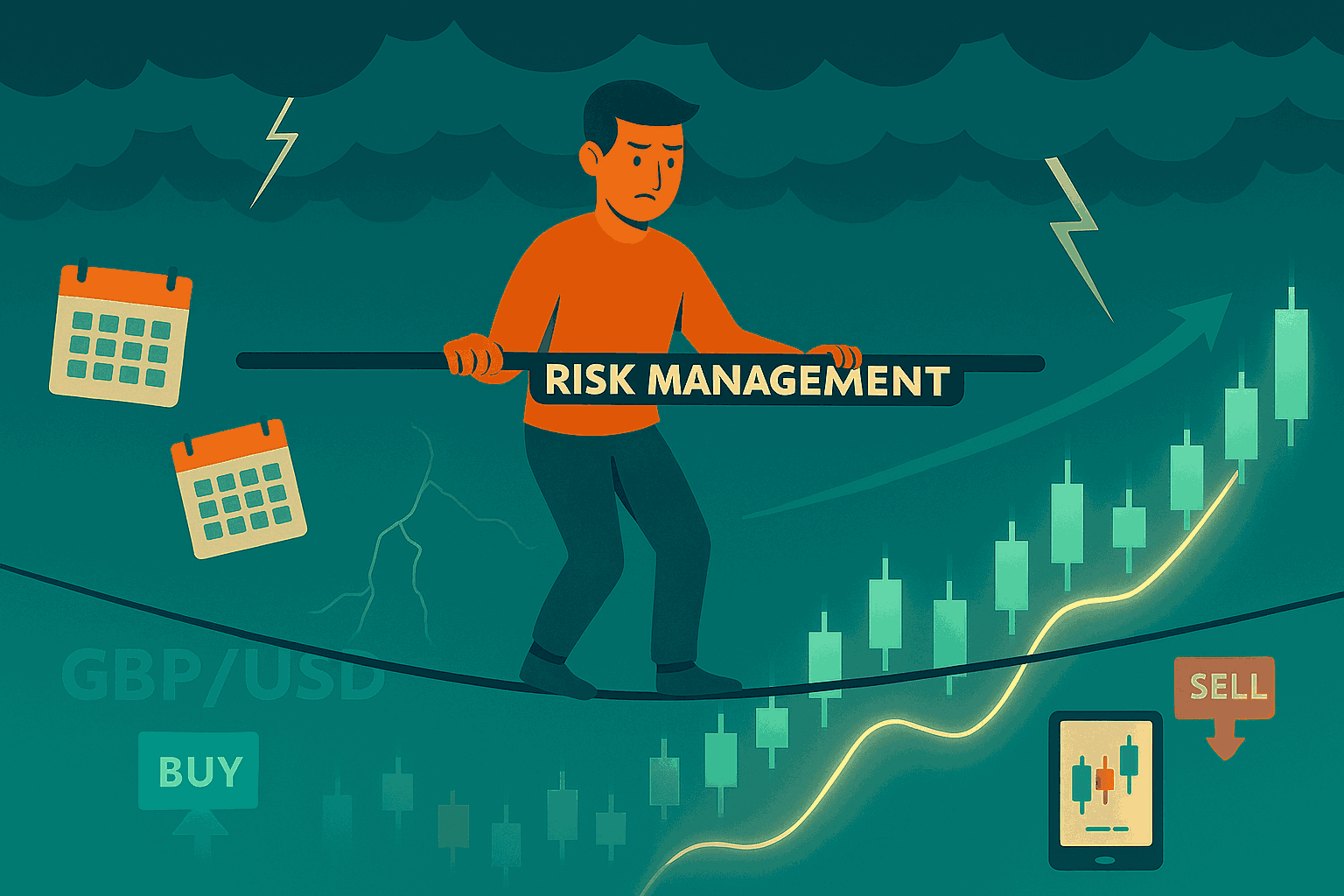
In the world of forex trading, signals are often viewed as shortcuts to profitable trades. Whether derived from expert analysts, automated systems, or social copy trading, signals provide traders with entry and exit points based on technical and fundamental factors. However, no signal paid or free comes with a 100% guarantee. Even the most accurate providers can only deliver probabilities, not certainties. This is where risk management becomes the backbone of signal-based trading. Without it, even the best signals can lead to devastating losses. With it, traders can turn imperfect information into consistent results.
Why Risk Management Matters in Signal-Based Trading
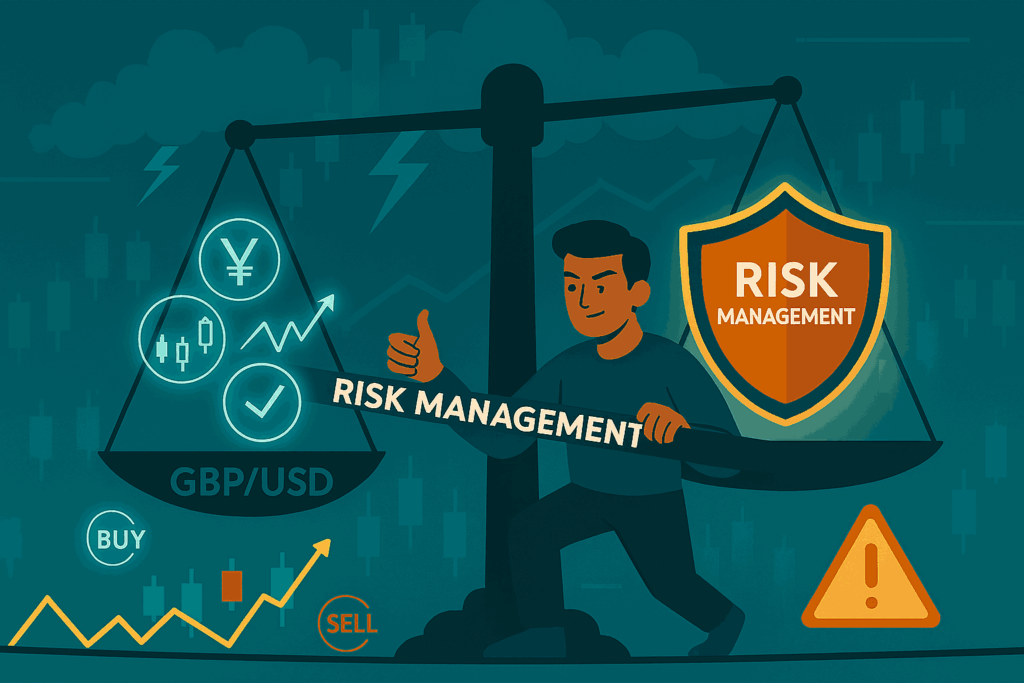
Signals help traders identify opportunities, but they don’t control how much capital a trader risks per position. Many beginners make the mistake of blindly following signals with oversized positions, only to suffer major drawdowns when the market moves unexpectedly. Proper risk management ensures that losses are minimized, and account survival is prioritized over chasing quick profits.
The truth is simple: good signals plus poor risk management equal failure, while average signals plus strong risk management can still equal long-term success.
Key Principles of Risk Management with Signals
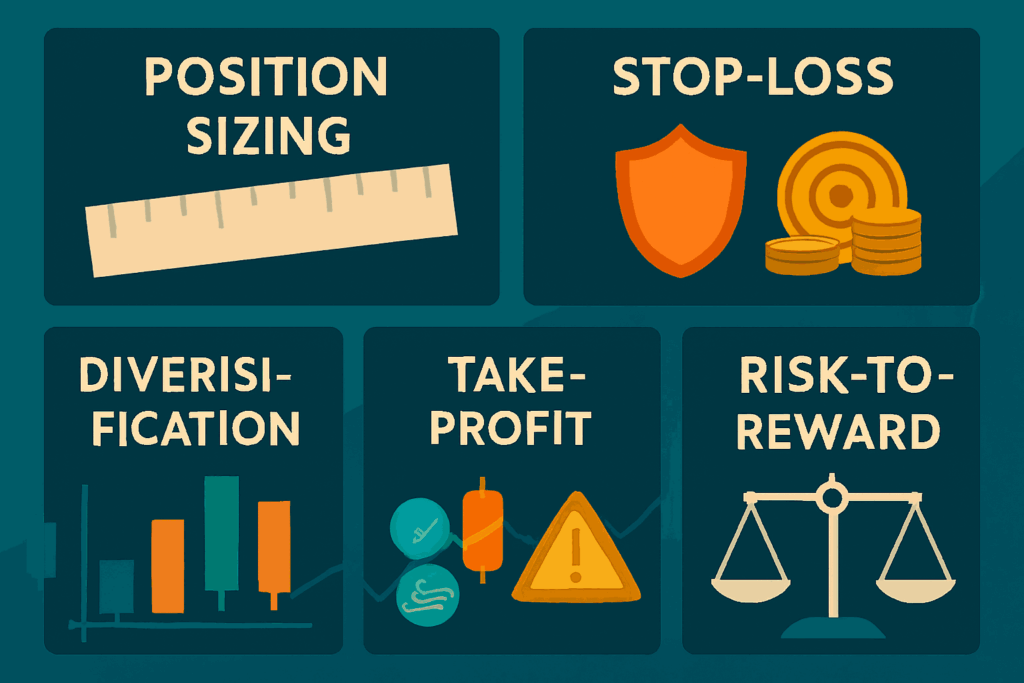
- Position Sizing
The golden rule is to never risk more than 1–2% of your total account on a single trade. Even if a signal has a high success rate, a streak of losing trades is inevitable. Proper sizing prevents those streaks from wiping out an account. - Stop-Loss Discipline
Some signal providers suggest stop-loss levels; others do not. If no stop is provided, traders must set their own based on volatility or technical levels. Stops are not just protective tools they are essential to survival. - Take-Profit Strategy
Relying only on provider-suggested targets can be risky. Traders should consider partial profit-taking strategies (e.g., close half at first target, let the rest run) to lock in gains while still allowing room for larger wins. - Diversification of Signals
Following a single provider or trading one pair exclusively can expose traders to concentration risk. A diversified approach across providers, strategies, or currency pairs reduces the impact of one underperforming signal source. - Risk-to-Reward Ratio
A strong signal setup should have at least a 1:2 risk-to-reward ratio. This means risking $100 for the chance to make $200. Even with a 40% win rate, consistent use of favorable ratios can result in profitability.
Psychological Benefits of Risk Management
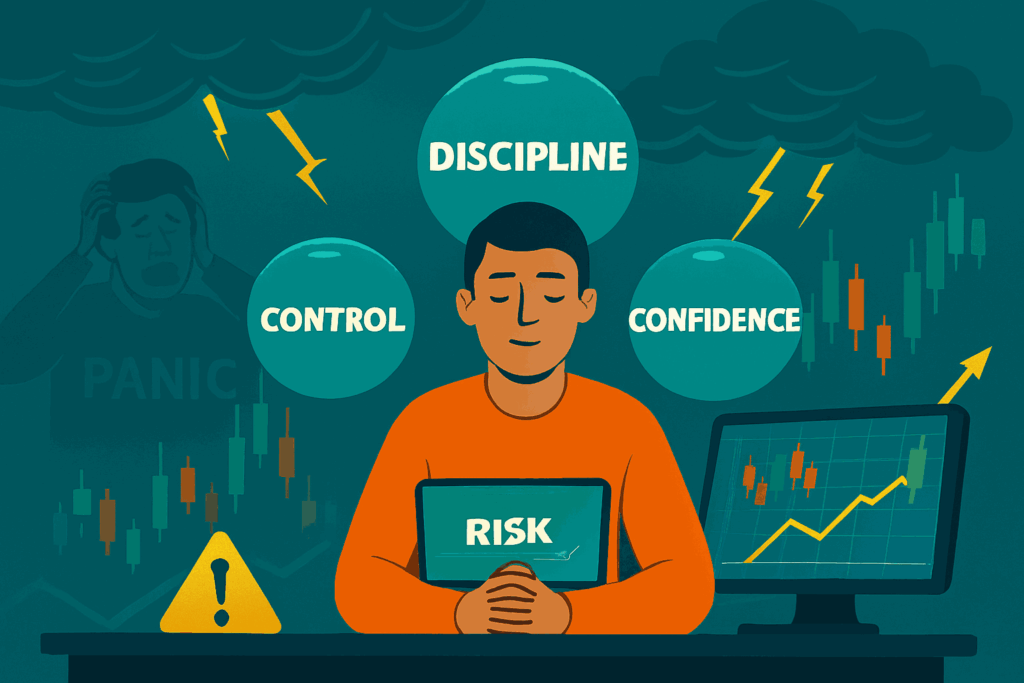
Risk management is not just about numbers it’s also about mindset. Traders who manage risk effectively avoid the stress of catastrophic losses and maintain the discipline to follow their trading plan. Emotional decision-making is one of the biggest killers of trading accounts, and a structured approach to risk helps keep emotions in check.
When using signals, traders may feel overconfident and assume “the expert knows best.” But the reality is, markets are unpredictable. Risk management builds the mental resilience needed to handle losses, stay consistent, and avoid revenge trading.
Practical Example
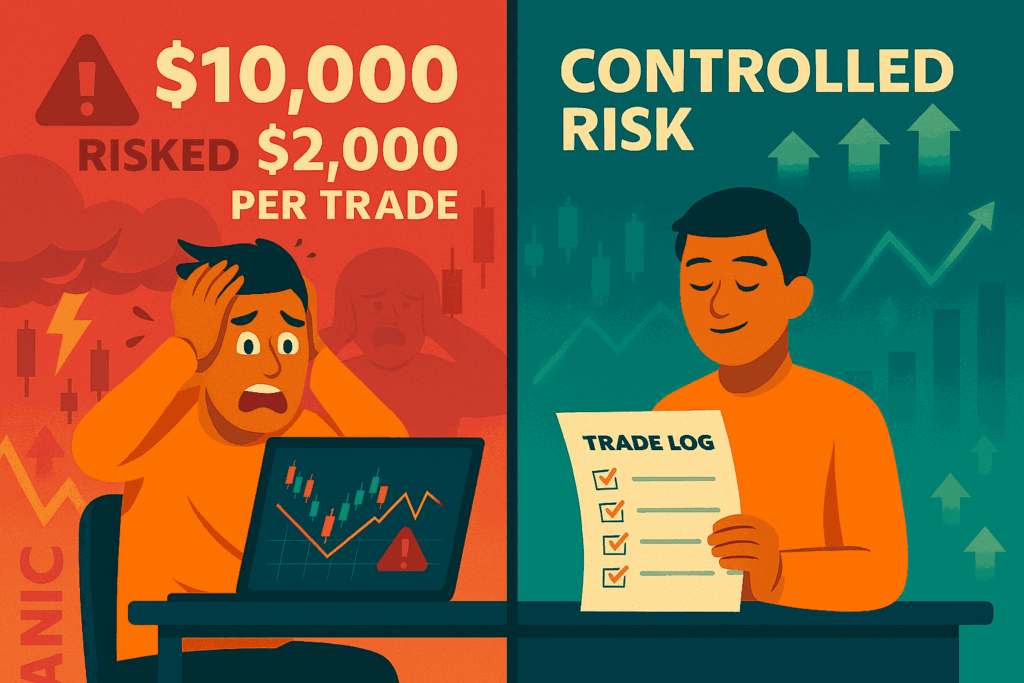
Imagine a trader with a $10,000 account following a signal provider with a 65% win rate. Without risk management, they risk $2,000 per trade. A streak of three losses would wipe out over half their account.
Now, with proper risk management (risking 1% = $100 per trade, with a 1:2 ratio), even if they lose three trades, they’re only down $300. A few winning trades later, they can recover and grow steadily. The difference is night and day.
Conclusion
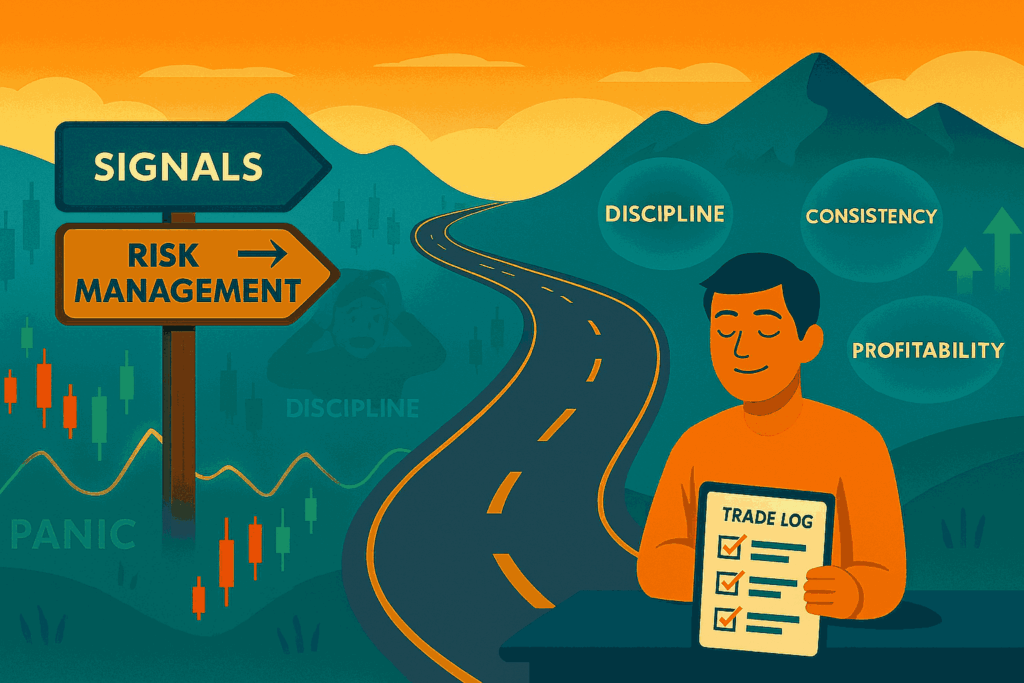
Signal-based trading can save time and provide structure for traders who don’t want to perform all the analysis themselves. But without proper risk management, even the most accurate signals lose their value. The most successful traders don’t obsess over whether a single trade wins or loses they focus on the bigger picture, where disciplined risk control ensures survival and steady growth.
In short, signals tell you what to trade, but risk management decides whether you’ll last long enough to profit from them.